






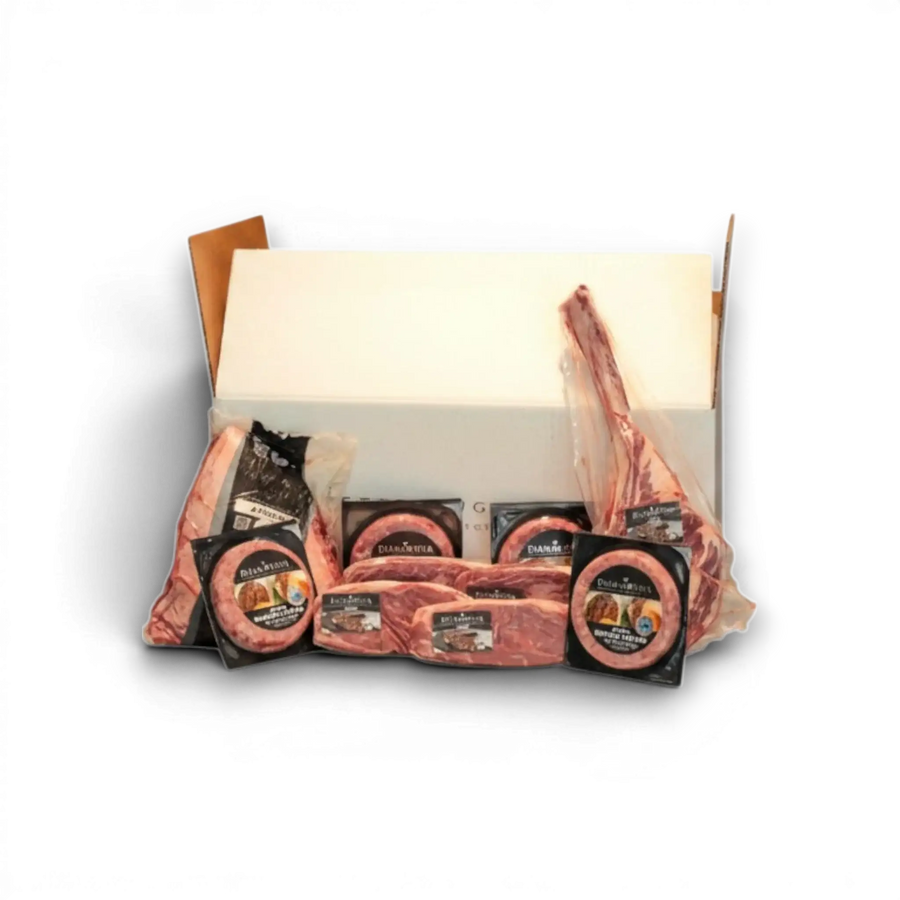

Hanger steak, also known as butcher’s steak, onglet steak, hanging tender or hanging tenderloin, is a beef cut with a pronounced grain and rich beef flavour that suits quick cooking over high heat. This hanger steak recipe covers the ingredients, trimming, seasoning and optional marinade before explaining how to cook hanger steak in a pan, on a grill or in the oven. Sear the prepared steak to develop a browned crust, check the internal temperature for the preferred doneness, then rest and slice the meat against the grain. These steps produce hanger steak with a browned crust, tender interior, juicy texture and savoury beef flavour.
Cooking hanger steak successfully depends on steak thickness, surface moisture, heat, cooking time and internal temperature rather than time alone. Pan-seared or grilled hanger steak develops direct surface browning over high heat, while an instant-read thermometer measures the centre and helps control doneness from rare through well-done. Resting the cooked beef before slicing allows the cooking process to finish before the meat is cut, while thin slices across the grain shorten the long muscle fibres for a more tender eating texture. Serve the sliced hanger steak with potatoes, vegetables or salad, or pair it with chimichurri, peppercorn sauce or garlic butter.
What Ingredients Do You Need for a Hanger Steak Recipe?
To make a hanger steak recipe, you need hanger steak, oil, kosher salt, black pepper, garlic, herbs, butter, and optional marinade ingredients. Hanger steak forms the base of the recipe, oil supports surface browning, salt and black pepper season the beef, and garlic, herbs, and butter add aromatic and savoury flavours. If you prefer additional seasoning, a marinade can combine oil, garlic, herbs, and an acidic ingredient such as lemon juice or vinegar.

Key ingredients for a hanger steak recipe are:
- Hanger steak
Use 600 g of trimmed hanger steak for about 2 to 3 servings. Hanger steak is the primary beef cut and provides the rich, savoury flavour and distinctive texture of the recipe. Also known as butcher’s steak, beef onglet steak, hanging tender, or hanging tenderloin, the cut has a pronounced grain and loose muscle structure. Choose a trimmed piece where possible, or remove firm membrane and sinew before cooking.
- Oil
Use 1 tablespoon of high-heat cooking oil for 600 g of hanger steak. A neutral oil such as avocado or grapeseed oil works well because it tolerates high cooking temperatures without introducing a strong competing flavour. The oil creates a thin coating around the beef and supports direct contact with the cooking surface. This contact helps the hanger steak develop an evenly browned exterior during cooking.
- Kosher salt
Use about 1 teaspoon of kosher salt to season 600 g of hanger steak. Kosher salt provides the primary seasoning and complements the naturally savoury flavour of the beef. Its larger crystals make it easier to distribute the seasoning consistently across both sides and edges of the steak. Even distribution also helps each sliced portion carry a similar level of seasoning.
- Black pepper
Use about 1/2 teaspoon of freshly ground black pepper for 600 g of hanger steak. Black pepper provides mild heat and a peppery aroma that complements the rich flavour of the beef. Freshly ground pepper also pairs naturally with kosher salt without masking the characteristic taste of hanger meat. Its flavour works well with garlic, butter, thyme, and rosemary when these ingredients are included.
- Garlic
Use 2 crushed or minced garlic cloves for 600 g of hanger steak. Garlic provides a concentrated savoury aroma that complements the pronounced beef flavour of the cut. It can be combined with butter and fresh herbs to create an aromatic finish or incorporated into an optional marinade. Crushing or mincing the cloves also helps distribute the garlic more consistently with the other ingredients.
- Herbs
Use 2 to 3 sprigs of fresh thyme or rosemary for 600 g of hanger steak. Fresh herbs add aromatic notes that complement the savoury beef without becoming the dominant flavour. Thyme contributes an earthy character, while rosemary provides a stronger woody aroma that pairs naturally with beef and garlic. Fresh parsley can also provide a lighter herb flavour when a fresher profile is preferred.
- Butter
Use about 30 g of unsalted butter for 600 g of hanger steak when a richer finish is preferred. Butter adds richness while carrying aromatic flavours from ingredients such as garlic, thyme, and rosemary across the beef. Unsalted butter also allows the amount of kosher salt in the recipe to remain controlled. Its creamy flavour provides contrast to the deeply savoury character of the hanger steak.
- Marinade ingredients
Use about 1/3 to 1/2 cup of marinade for 600 g of hanger steak when additional seasoning is preferred. A simple marinade can combine oil, garlic, fresh herbs, and a measured amount of lemon juice or vinegar. The oil carries the aromatic ingredients, while garlic and herbs add savoury flavour and the acidic ingredient provides brightness. Marinating is optional because hanger steak can also be seasoned simply with oil, salt, and black pepper.
How Do You Prepare Hanger Steak Before Cooking?
Before cooking, inspect the hanger steak, trim any firm membrane or sinew, pat it dry, season evenly, and marinate it if desired. These steps leave the hanger steak trimmed, dry, and seasoned before cooking. Use a cutting board, sharp knife, paper towels, and a container if you plan to marinate the beef.
Follow these steps to prepare hanger steak before cooking:
- Inspect the Hanger Steak: Place the hanger steak on a clean cutting board and inspect it for membrane, silverskin, sinew, and excess connective tissue. A whole hanging tender may have a firm central membrane that separates sections of the meat.
- Trim the Membrane and Sinew: Use a sharp knife to remove firm membrane, silverskin, and tough sinew without cutting away unnecessary beef. Keep the blade close to the connective tissue and separate the hanger steak into sections if a thick central membrane requires removal.
- Pat the Hanger Steak Dry: Pat both sides and edges of the hanger steak with paper towels to remove surface moisture. A dry exterior prepares the beef for direct contact with the cooking surface and supports more consistent browning later.
- Season the Hanger Steak: Season both sides and edges with kosher salt and freshly ground black pepper. Distribute the seasoning evenly so the hanger meat has consistent flavour throughout each sliced portion.
- Marinate the Hanger Steak if Preferred: Place the hanger steak in a container or sealable bag and coat it with the optional marinade. Keep the beef refrigerated while marinating, then remove excess marinade from the surface before cooking.
- Prepare the Steak and Equipment for Cooking: Keep the prepared hanger steak ready while you organise kitchen tongs, the selected cookware, and an instant-read meat thermometer. Prepare butter, garlic, and herbs in advance if they will be used during cooking.
How Do You Cook Hanger Steak?
To cook hanger steak, prepare and season the beef, marinate it if preferred, sear it over high heat, turn and finish the meat, then rest and slice it against the grain. Use an instant-read meat thermometer in the thickest part of the hanger steak to monitor internal temperature and control doneness. This process helps develop a browned exterior while keeping the centre tender and juicy.

Key steps to cook hanger steak:
- Step 1: Prepare the hanger steak
Place the hanger steak on a clean cutting board and inspect it for any remaining membrane, silverskin, or tough sinew. Trim away firm connective tissue with a sharp knife while keeping the blade close to the membrane to avoid removing unnecessary meat. Pat both sides and edges thoroughly with paper towels, then season the beef evenly with kosher salt and freshly ground black pepper. Finish with a thin coating of high-heat cooking oil. Keeping the surface dry and evenly seasoned prepares the hanger steak for direct contact with high heat and helps it develop consistent browning.
- Step 2: Marinate if preferred
Marinating hanger steak is optional, but it can add garlic, herb, and acidic flavours to the beef before cooking. Coat the steak evenly with a marinade containing ingredients such as oil, garlic, fresh herbs, lemon juice, or vinegar, then keep it refrigerated during the marinating period. Turn or redistribute the steak in the marinade when necessary so the mixture contacts the entire surface. Before cooking, remove the hanger steak, allow excess marinade to drain, and lightly pat away excess surface liquid. A wet coating can create steam when it reaches the heat, which can interfere with the development of a browned crust.
- Step 3: Sear over high heat
Preheat the selected cooking surface thoroughly before adding the hanger steak. Place the beef directly onto the hot surface and allow the first side to sear without repeatedly lifting, moving, or turning it. Strong initial heat creates direct surface contact and develops the deep browning that gives cooked hanger steak its savoury crust. Once the first side has developed an even brown colour, check the edges and surface before turning the steak. Maintaining high heat during the initial sear helps brown the exterior efficiently without unnecessarily extending the time the centre spends cooking.
- Step 4: Turn and finish
Turn the hanger steak with kitchen tongs and allow the second side to develop a similar browned crust. Avoid piercing the meat with a fork when turning it, and adjust the heat if the exterior begins to darken faster than the centre is cooking. As the steak approaches the preferred doneness, insert an instant-read meat thermometer into its thickest section to measure the internal temperature. Check the centre rather than judging doneness from exterior colour or cooking time alone. Remove the hanger steak from the heat as it approaches the target temperature because carryover heat can continue raising its internal temperature during resting.
- Step 5: Rest and slice
Transfer the cooked hanger steak to a clean cutting board and let it rest for about 5 to 10 minutes before slicing. Keep the steak whole during this period so carryover cooking can finish and the internal temperature can begin to stabilise before the meat is cut. After resting, examine the surface carefully to identify the direction of the long, visible muscle fibres. Position a sharp knife across those fibres and cut the hanger steak into thin, even slices against the grain. Shortening the muscle fibres in each slice reduces the amount of chewing required and gives the finished hanger steak a more tender eating texture.
How Do You Cook Hanger Steak in a Pan?
To cook hanger steak in a pan, preheat a heavy frying pan or cast-iron skillet over high heat, lightly oil the steak, and sear it for about 3 to 5 minutes per side. Reduce the heat if the crust darkens too quickly, then add butter, garlic, and herbs during the final 1 to 2 minutes if preferred. Check the thickest part with an instant-read thermometer and rest the steak for 5 to 10 minutes before slicing.
Follow these steps to cook hanger steak in a pan:
- Preheat a heavy frying pan or cast-iron skillet over high heat for about 3 to 5 minutes, until the cooking surface is thoroughly hot.
- Pat the hanger steak dry, season both sides with kosher salt and black pepper, and lightly coat the surface with about 1 tablespoon of high-heat cooking oil.
- Place the hanger steak flat in the hot pan and sear it undisturbed for about 3 to 5 minutes, until the first side develops a deep browned crust.
- Turn the steak with kitchen tongs and cook the second side for another 3 to 5 minutes, reducing the heat if the exterior begins to darken before the centre reaches the preferred doneness.
- Add about 30 g of butter, 2 crushed garlic cloves, and 2 to 3 sprigs of thyme or rosemary during the final 1 to 2 minutes, then spoon the foaming butter over the steak.
- Insert an instant-read thermometer into the thickest part of the hanger steak and use the internal temperature to determine doneness rather than relying on cooking time or exterior colour alone.
- Transfer the cooked hanger steak to a clean cutting board, rest it for 5 to 10 minutes, then slice it thinly against the grain.
How Do You Grill Hanger Steak?
To grill hanger steak, preheat the grill to about 230 to 260°C, then cook the steak over high direct heat for approximately 2 to 4 minutes per side. Control any strong flare-ups and use an instant-read thermometer to monitor the centre. Rest the grilled hanger steak for 5 to 10 minutes before slicing.
Here are the steps to grill hanger steak:
- Preheat the grill to approximately 230 to 260°C and create a high direct-heat zone where the hanger steak can develop a browned, lightly charred exterior.
- Pat the hanger steak dry, season both sides and edges with kosher salt and black pepper, and apply a thin coating of high-heat cooking oil.
- Place the hanger steak directly over the hottest section of the grill and cook the first side for about 2 to 4 minutes, until browned grill marks and light charring develop.
- Turn the steak with kitchen tongs and grill the second side for another 2 to 4 minutes, adjusting the cooking time according to the thickness of the meat.
- Move the hanger steak temporarily to a cooler or indirect section of the grill if dripping fat or oil causes strong flare-ups that could burn the exterior.
- Insert an instant-read thermometer into the thickest section and remove the steak from the grill as it approaches the internal temperature required for the preferred doneness.
- Transfer the grilled hanger steak to a clean board, rest it for 5 to 10 minutes, then slice it thinly against the grain before serving.
How Do You Cook Hanger Steak in the Oven?
To cook hanger steak in the oven, preheat the oven to about 200°C, sear the steak for approximately 2 to 3 minutes per side, then finish it in the oven for about 5 to 10 minutes. Use an instant-read thermometer to monitor the centre and rest the cooked steak for 5 to 10 minutes before slicing.

Follow these steps to cook hanger steak in the oven:
- Preheat the oven to 200°C and position a rack near the centre so the hanger steak cooks in consistent surrounding heat.
- Pat the hanger steak dry, season both sides and edges with kosher salt and black pepper, and lightly coat the beef with high-heat cooking oil.
- Heat a cast-iron or other oven-safe skillet over high heat for about 3 to 5 minutes, until the cooking surface is thoroughly hot.
- Place the hanger steak in the skillet and sear it for approximately 2 to 3 minutes per side, until both surfaces develop a browned crust.
- Transfer the skillet directly to the 200°C oven and cook the hanger steak for approximately 5 to 10 minutes, depending on its thickness and preferred doneness.
- Insert an instant-read thermometer into the thickest section during the final stage and remove the steak as it approaches the required internal temperature.
- Transfer the hanger steak to a clean cutting board, rest it for 5 to 10 minutes, then slice it thinly across the grain for serving.
What Temperature Should Hanger Steak Be Cooked To?
Hanger steak should be cooked to an internal temperature of 49 to 52°C (120 to 125°F) for rare, 54 to 57°C (130 to 135°F) for medium-rare, 60 to 63°C (140 to 145°F) for medium, 65 to 68°C (150 to 155°F) for medium-well, and 71°C (160°F) or above for well-done. Insert an instant-read meat thermometer into the thickest part of the hanger steak to measure the internal temperature accurately. The temperature can continue to rise during resting, so account for carryover cooking when determining when to remove the steak from the heat.
Use the following internal temperatures as a guide for hanger steak doneness:
|
Doneness |
Internal Temperature |
Centre and Texture |
|---|---|---|
|
Rare |
49 to 52°C / 120 to 125°F |
Red centre, very soft texture |
|
Medium-rare |
54 to 57°C / 130 to 135°F |
Warm red-pink centre, tender texture |
|
Medium |
60 to 63°C / 140 to 145°F |
Pink centre, moderately firm texture |
|
Medium-well |
65 to 68°C / 150 to 155°F |
Slightly pink centre, firmer texture |
|
Well-done |
71°C+ / 160°F+ |
Little to no pink, firm texture |
- Rare Hanger Steak
Rare hanger steak has a final internal temperature of approximately 49 to 52°C / 120 to 125°F. The centre remains red and very soft, while the exterior can still develop a browned surface. Use the thermometer in the thickest section to verify the temperature.
- Medium-Rare Hanger Steak
Medium-rare hanger steak reaches approximately 54 to 57°C / 130 to 135°F. The centre remains warm and red to pink, while the meat retains a tender texture and more moisture than hanger steak cooked to higher internal temperatures.
- Medium Hanger Steak
Medium hanger steak reaches approximately 60 to 63°C / 140 to 145°F. The centre becomes pink rather than red, and the beef develops a moderately firmer texture while retaining some internal moisture.
- Medium-Well Hanger Steak
Medium-well hanger steak reaches approximately 65 to 68°C / 150 to 155°F. Only a small amount of pink remains in the centre, and the muscle fibres become noticeably firmer as the internal temperature increases.
- Well-Done Hanger Steak
Well-done hanger steak reaches approximately 71°C / 160°F or above. The centre has little to no visible pink and develops a firm texture. Careful temperature monitoring becomes increasingly important at this level because additional heat can increase moisture loss from the beef.
How Long Does Hanger Steak Take to Cook?
Hanger steak takes 6 to 10 minutes to cook in a hot pan or on a grill, while a sear-and-oven method can take about 10 to 16 minutes. The exact cooking time depends on the thickness of the hanger steak, cooking method, heat level, and preferred doneness. Thinner pieces cook faster, while thicker steaks and higher doneness levels require more time.
Use these approximate hanger steak cooking times as a starting guide:
|
Cooking Method |
Approximate Cooking Time |
|---|---|
|
Pan |
3 to 5 minutes per side |
|
Grill |
2 to 4 minutes per side |
|
Sear and oven |
4 to 6 minutes searing, then 6 to 10 minutes in the oven |
Cooking time should provide a starting point rather than the final measure of doneness. Check the thickest part of the hanger steak with an instant-read meat thermometer and use the internal temperature to determine when the beef is ready to remove from the heat.
How Do You Keep Hanger Steak Tender and Juicy?
Keep hanger steak tender and juicy by controlling its internal temperature, avoiding overcooking, resting it after cooking, and slicing it thinly against the grain. Hanger steak has pronounced muscle fibres, so excessive heat can reduce moisture while incorrect slicing can make the beef feel tougher. Using a meat thermometer, allowing sufficient resting time, and cutting across the grain help preserve a juicy texture and make each slice easier to chew.

Follow these steps to keep hanger steak tender and juicy:
- Control the temperature: Use an instant-read thermometer to monitor the centre and prevent the hanger steak from exceeding the preferred doneness.
- Avoid overcooking: Remove the steak from the heat before prolonged cooking causes additional moisture loss and a firmer texture.
- Rest the steak: Allow the cooked hanger steak to rest before cutting so carryover cooking can finish before the meat is sliced.
- Slice against the grain: Cut the rested steak thinly across the visible muscle fibres to shorten them and create a more tender eating texture.
How Long Should Hanger Steak Rest After Cooking?
Hanger steak should rest for about 5 to 10 minutes after cooking before it is sliced. Resting allows carryover heat to finish the cooking process while the internal temperature gradually stabilises. Keep the steak whole during this period rather than cutting it immediately, as slicing too early can release more juices onto the cutting board. After resting, the hanger steak is ready to be sliced against the grain for a tender, juicy texture.
How Should You Slice Hanger Steak?
You should slice hanger steak thinly against the grain after resting to shorten its long muscle fibres and create a more tender eating texture. Place the steak on a cutting board and identify the direction of the visible grain, then position a sharp knife across the fibres rather than parallel to them. Cut the hanger steak into thin, even slices, checking the grain direction again if the meat has been divided into separate sections.
What Can You Serve With Hanger Steak?
You can serve hanger steak with potatoes, vegetables, salad, chimichurri, peppercorn sauce, or garlic butter. Potatoes provide a hearty contrast to the tender beef, while vegetables and salad add freshness and lighter textures. Chimichurri adds herbs and acidity, whereas peppercorn sauce and garlic butter provide richer flavours that complement the savoury taste of hanger steak.
Best sides to serve with a hanger steak:
- Potatoes: Potatoes provide a hearty side for hanger steak and contrast with the beef's tender texture. Options such as roast potatoes, mashed potatoes, or chips pair well with the rich, savoury flavour of the steak.
- Vegetables: Vegetables such as asparagus, zucchini, capsicum, or broccolini add colour, texture, and freshness to hanger steak. Grilled or roasted vegetables also develop browned flavours that complement the crust of the beef.
- Salad: A fresh salad provides a crisp, lighter contrast to rich hanger steak. Ingredients such as lettuce, tomato, cucumber, and onion can add freshness, while a light acidic dressing helps balance the savoury beef flavour.
- Chimichurri: Chimichurri complements hanger steak with fresh herbs, garlic, and acidity. Its bright flavour contrasts with the richness of the beef and works particularly well with sliced grilled hanger steak.
- Peppercorn sauce: Peppercorn sauce adds a creamy texture and pronounced pepper flavour to hanger steak. Its richness complements the savoury beef while providing a smooth contrast to the steak's browned exterior.
- Garlic butter: Garlic butter adds richness and aromatic garlic flavour to hanger steak. A small amount can melt over the warm sliced beef, combining butter and garlic with the steak's natural juices.
How Much Does Hanger Steak Cost in Australia?
Hanger steak in Australia costs about $26 to $48 AUD per kilogram based on current online retail examples, although the exact price varies between products and retailers. Standard hanger steak can sit toward the lower end of this range, while premium grass-fed, branded, or highly marbled beef can cost more. Beef grade, marbling, production method, portion size, pack weight, stock availability, and promotional pricing can all affect the final price per kilogram.
Where Can You Buy Hanger Steak Online in Australia?
You can buy hanger steak online in Australia from specialist butchers and online meat retailers that stock fresh or frozen beef cuts. Depending on availability, these beef cuts may list the product as hanger steak, beef hanger, butcher’s steak, onglet steak, or hanging tender. Before ordering, check the cut weight, price per kilogram, stock availability, delivery fees, minimum order requirements, and postcode eligibility to confirm that the hanger steak can be delivered to your location.