






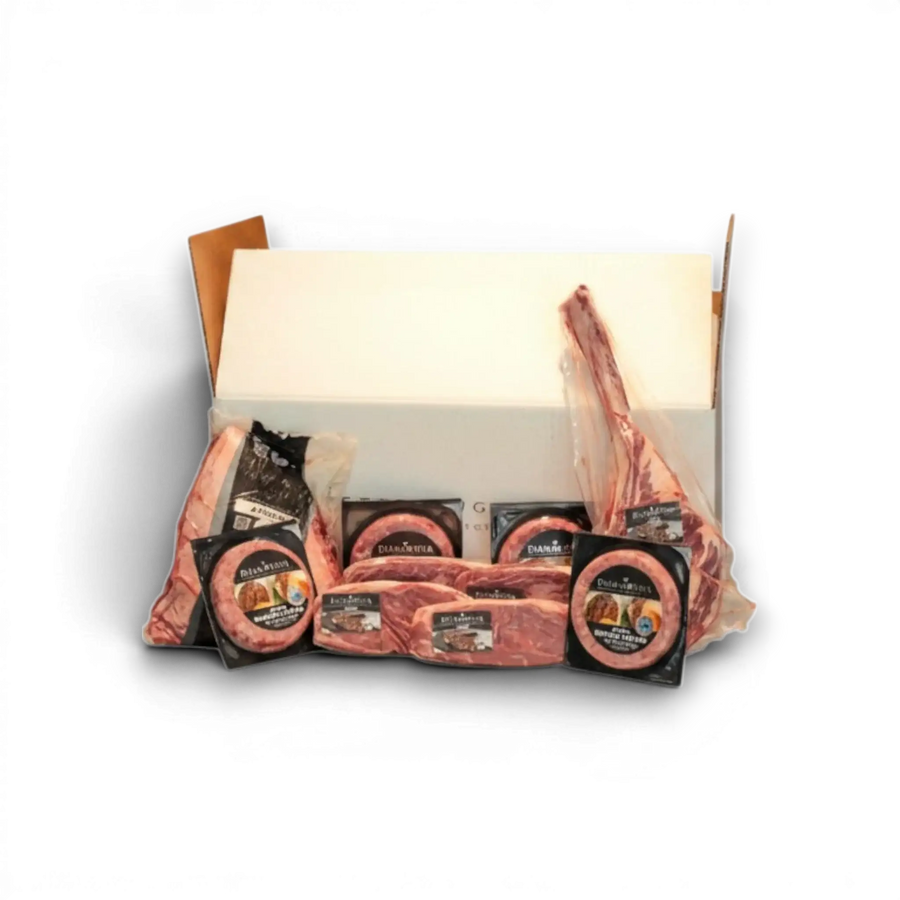

Slow cooking guide
The best cuts for slow cooking are beef cuts with plenty of connective tissue, collagen and flavour. Think chuck, shin and shank, brisket, oxtail, beef cheeks, short ribs and quality diced beef. These cuts can be firm when cooked quickly, but give them time, moisture and gentle heat and they become rich, tender and full of depth.
Butcher's shortcut: for easy weeknight slow cooking, choose Grass-Fed Diced Beef. For deeper flavour and a more premium result, try Wagyu Diced Beef, Angus Beef Short Ribs or Angus Beef Cheeks.
Why Slow Cook?
If you love the kind of rich, tasty beef that melts in your mouth and leaves you wanting more, slow cooking should be one of your favourite moves in the kitchen. It is ideal for beef stew, casseroles, curries, soups, ragu, chilli, pulled brisket and family-style one-pot meals.
One of the greatest things about slow cooking beef is that it transforms tougher cuts into juicy, tender pieces that fall apart with very little pressure. These cuts usually come from well-used muscles, which means they have more connective tissue and a deeper beef flavour than many quick-cook steaks.
The key is collagen. When collagen-rich beef is cooked quickly, it can feel firm or chewy. When it is cooked slowly with liquid, the collagen breaks down into gelatin. That gelatin gives slow-cooked beef its soft texture and gives sauces, gravies and broths more body.
Best Slow-Cooking Beef at a Glance
Use this quick guide when choosing beef for stews, ragu, curries, soups, pies and braises.
Best everyday cuts
- Grass-fed diced beef for stews, casseroles and curries
- Chuck for rich, classic slow-cooked beef
- Beef shin and shank for gelatin-rich sauces
- Brisket for shredding, pulled beef and tacos
Premium upgrades
- Wagyu diced beef for a richer stew or ragu
- Angus beef cheeks for silky ragu and braises
- Angus beef short ribs for bone-in depth and richness
- Angus Shin Shank Thor's Hammer for a centrepiece slow-cooked dish
The Best Cuts of Beef for Slow Cooking
Chuck steak or diced beef is one of the most reliable choices for slow cooking. It comes from the shoulder and upper arm, so it has the connective tissue needed for tender, rich results. Use it for beef stew, casseroles, curries and family pies.
Skirt and similar lean working cuts can develop deep flavour when cooked gently. They are best when sliced across the grain and used in saucy slow-cooked dishes where moisture protects the beef.
Beef shin is loaded with connective tissue and is excellent for gelatin-rich sauces. Cook it bone-in for extra depth, or choose boneless gravy beef style cuts for everyday braises. For a centrepiece, try Angus Shin Shank Thor's Hammer.
Corned beef silverside is a classic low-and-slow cut. It is lean, firm and best cooked gently in liquid until sliceable and tender. For a premium option, try Wagyu Corned Silverside SB4-5.
Angus brisket is ideal for shredding because it becomes tender and flavourful when cooked slowly. Use it for pulled beef, tacos, brisket bowls, rich pasta sauces and slow-braised roasts.
Oxtail is full of marrow, cartilage and rich flavour. It is excellent for soups, braises and sauces where the long cooking time pulls body and flavour from the bone.
Beef cheeks are one of the best choices for ragu and restaurant-style braises. They take time, but the result is silky, rich and deeply savoury. Try them in a beef cheek ragu.
Beef short ribs bring bone-in richness, marbling and a luxurious eating experience. They are excellent for red wine braises, Asian-style slow cooks and hearty winter dinners.
Shop slow-cooking beef cuts
Low and slowPremium Australian beef, expertly butchered and packed for cold-chain delivery. Choose the right cut, cook it gently, and let time do the work.
Build Your Slow-Cooking Pantry
The right beef cut matters, but the supporting ingredients are what turn a slow cook into a finished meal. Keep these essentials on hand for stews, braises, casseroles and ragu.
Recipe ingredients to link and shop
- Beef broth for stew bases, braising liquid and soups
- Pies and pastries for turning leftover braised beef into pie filling
- Condiments for serving, glazing or finishing slow-cooked beef
- Beef tallow for browning meat before slow cooking
The Benefits of Slow Cooking
Beyond the melt-in-your-mouth texture and hearty flavour, slow cooking is one of the most practical ways to get more from quality beef. Once the prep is done, the slow cooker, casserole dish or Dutch oven does the heavy lifting while the beef gently breaks down.
Time, moisture and gentle heat turn firm cuts into tender beef that pulls apart easily.
Collagen melts into gelatin, giving stews, gravies and braising sauces more body.
Many slow-cooking cuts are more economical than premium grilling steaks, while still delivering big flavour.
Slow-cooked beef often tastes even better the next day and freezes well in portions.
What Customers Say About Our Beef
“The meat quality is incredible, fresh, flavourful and clearly premium. Easy ordering, fast chilled delivery.”
John YangPeter Augustus customer“Great quality products processed and delivered in a reliable and prompt manner.”
CraigPeter Augustus customer“Best quality beef and love the diverse range of product. So happy to be able to get the butchers box delivered in Sydney.”
Arabella S.Sydney customer5 Top Tips for Slow Cooking Success
Sear the beef before adding liquid. This builds flavour and leaves browned bits in the pan that enrich the final sauce.
Slow cooking reduces liquid and concentrates flavour. Add a moderate amount of salt at the beginning, then adjust before serving.
Leave room for gentle movement and steam. An overfilled slow cooker or casserole dish can make the sauce thin and uneven.
Every time the lid is lifted, heat escapes. The liquid should gently tremble, not boil aggressively.
Many slow-cooked beef dishes taste better the next day because the sauce settles and the flavours deepen.
Slow Cooking Beef FAQs
Chuck is one of the best all-round cuts for slow cooking because it has collagen, flavour and value. Shin, brisket, beef cheeks, oxtail and short ribs are also excellent.
You can, but lean beef needs enough liquid and careful cooking so it does not dry out. For the best result, choose collagen-rich cuts rather than very lean quick-cook steaks.
Yes. Beef brisket is excellent for slow cooking because it becomes tender enough to pull or shred. It works well in tacos, bowls, sandwiches, pasta sauces and braised mains.
Use diced beef, chuck, gravy beef, shin, oyster blade or Wagyu diced beef. These cuts become tender over a long cook and help build a richer sauce.
Yes. Slow-cooked beef is ideal for batch cooking and freezing. Cool it fully, portion it into airtight containers, then reheat gently with a splash of beef broth or water if the sauce has thickened.
Final butcher's tip: pair the right beef cut with enough liquid, gentle heat and patience. Browse premium beef cuts, explore beef roasts, learn more about Peter Augustus, and order with confidence via cold chain delivery.