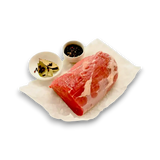
To make corned beef, rinse it, add it to a cooking vessel with brown sugar, vinegar, vegetables, and aromatics, then cook it slowly by simmering, slow-cooking, pressure-cooking, or oven-braising until tender, before resting and slicing across the grain. Corned beef silverside is a traditional family dinner made by gently cooking a salt-cured cut of beef with onion, garlic, celery, carrots, bay leaves, peppercorns, and cloves.
For the best results, always rinse the beef before cooking to remove excess surface brine and maintain a balanced flavour. A gentle simmer of 85°C to 93°C is ideal for breaking down collagen and producing tender slices without drying out the meat. Depending on your preferred method, corned beef takes approximately 2 to 2½ hours on the stovetop, 8 to 10 hours in a slow cooker, 60 to 90 minutes in a pressure cooker, or 3 to 4 hours in the oven. Once cooked, allow the beef to rest before slicing and serving it with vegetables, white parsley sauce, or mustard sauce.
What Ingredients Do You Need for Corned Beef?

Ingredients you need for corned beef are corned beef silverside, brown sugar, malt vinegar or apple cider vinegar, black peppercorns, bay leaves, whole cloves, brown onion, garlic cloves, celery sticks, and carrots. These ingredients work together to flavor the cooking liquid, balance the saltiness of the cured beef, and help produce a tender, traditional corned beef silverside that slices easily after cooking.
Here is the list of ingredients you need for corned beef:
- Corned beef silverside: 1.5-2.5 kg
- Brown sugar: 2 tbsp
- Malt vinegar or apple cider vinegar: 2 tbsp
- Black peppercorns: 1 tbsp
- Bay leaves: 2-3 leaves
- Whole cloves: 4-6 cloves
- Brown onion, quartered: 1 large onion
- Garlic cloves: 2-3 cloves
- Celery sticks: 2 sticks
- Carrots: 2-3 medium carrots
Should You Rinse Corned Beef Before Cooking?
Yes, you should rinse corned beef before cooking because it removes excess surface brine and helps prevent the finished dish from becoming overly salty. Since the silverside undergoes a heavy salt-curing process to preserve the meat, a layer of concentrated salt crystals and brine clings to the surface. Taking a moment to hold the beef under cold, running water washes away this surface layer without removing the deep flavours already locked inside the meat.
Additionally, discarding the residual liquid in the packaging and giving the meat a quick rinse helps ensure your cooking broth remains perfectly balanced. This prevents vegetables such as carrots, potatoes, and cabbage from absorbing too much salt as they simmer alongside the beef, resulting in a perfectly seasoned family dinner.
How Do You Cook Corned Beef on the Stovetop?

You can cook corned beef on the stovetop by rinsing it, placing it in a large pot, covering it with water, adding the vegetables and seasonings, and gently simmering until the beef is tender enough to slice. This traditional cooking method allows the corned beef silverside to cook slowly and evenly while absorbing the flavors of the vinegar, spices, and vegetables in the cooking liquid.
Follow the steps below to cook corned beef on the stovetop:
- Rinse the Meat
Remove the corned beef silverside from its packaging and discard the curing liquid. Rinse the beef thoroughly under cold running water to remove excess surface brine and any packaging residue. Pat the meat dry with paper towels to make it easier to handle. This simple step helps prevent the finished dish from becoming overly salty and creates a cleaner cooking liquid for the vegetables and seasonings.
- Submerge in the Pot
Place the rinsed silverside into a large stockpot or Dutch oven. Add enough cold water to completely cover the meat, ensuring the water sits approximately 2 to 3 centimetres above the surface. Starting with cold water allows the beef to heat gradually and cook more evenly throughout. Make sure the pot has enough room for the liquid to circulate and for any vegetables added during cooking.
- Add the Aromatics
Add the brown sugar, malt vinegar or apple cider vinegar, black peppercorns, bay leaves, whole cloves, quartered onion, garlic cloves, celery sticks, and carrots around the beef. As the corned beef cooks, these ingredients infuse the cooking liquid with flavour. The vinegar helps soften connective tissue within the meat, while the brown sugar balances the salty characteristics of the cure. Together, the vegetables and spices create a rich, aromatic broth that complements the beef.
- Establish a Gentle Simmer
Place the pot over high heat and bring the liquid to a boil. Once the water begins bubbling, immediately reduce the heat to low so the liquid settles into a gentle simmer. During the first 10 to 15 minutes, skim away any foam that rises to the surface using a spoon or ladle. Maintaining a gentle simmer is important because rapid boiling can tighten the meat fibres, resulting in a tougher texture.
- Cover and Cook Slowly
Cover the pot with a tight-fitting lid and cook for approximately 35 to 40 minutes per 500 grams of beef. For a typical 1.5 to 2-kilogram corned beef silverside, this takes around 2 to 2½ hours. Check the water level occasionally and add a small amount of boiling water if needed to keep the beef submerged. The corned beef is ready when a fork slides easily into the thickest part of the meat with little resistance.
- Rest and Carve
Carefully remove the corned beef from the cooking liquid and transfer it to a carving board. Loosely cover it with foil and allow it to rest for 10 to 15 minutes. Resting gives the juices time to redistribute throughout the meat, helping each slice remain moist and tender. Before serving, identify the grain direction and slice across it into thin pieces for the most tender texture.
Should You Simmer or Boil Corned Beef?
You should simmer corned beef rather than boiling it because gentle cooking produces a more tender texture and prevents the meat from becoming tough. A low, gentle simmer (around 85°C to 93°C) allows the connective tissue and collagen within the corned beef silverside to gradually break down, resulting in moist, tender slices that retain their flavour and texture.
Boiling corned beef at a high temperature can cause the muscle fibres to tighten, making the meat dry, chewy, and less enjoyable to eat. For the best results, maintain a gentle simmer with only occasional bubbles breaking the surface of the cooking liquid throughout the cooking process. This approach helps the beef cook evenly while allowing the vegetables, spices, and aromatics to slowly infuse the broth with flavour.
How Do You Cook Corned Beef in a Slow Cooker?
To cook corned beef in a slow cooker, place the rinsed silverside on a bed of fresh vegetables, add your aromatics and vinegar, cover the ingredients completely with water, and cook on low heat until the meat is completely tender. This gentle, enclosed cooking style seals in all moisture, creating a self-basting environment that breaks down tough fibres with zero effort on your part.
Here are the step-by-step instructions you can follow to cook corned beef in a slow cooker:
- Prep the Slow Cooker
Place the quartered brown onion, garlic cloves, celery sticks, and carrots into the bottom of the slow cooker insert to create a flavourful base for the corned beef. As the beef cooks, these vegetables release their natural sweetness and savoury flavours into the cooking liquid, helping to build a richer broth. They also elevate the meat slightly above the base of the cooker, which promotes more even heat circulation.
- Position the Beef
Place the rinsed corned beef silverside fat-side up directly on top of the vegetables. Positioning the fat layer on top allows it to render slowly and naturally baste the beef as it cooks. This process helps retain moisture throughout the long cooking time and contributes to a more tender final texture.
- Add Spices and Liquid
Sprinkle the brown sugar, black peppercorns, bay leaves, and whole cloves evenly over the beef. Pour in the malt vinegar or apple cider vinegar, then add enough cold water to completely submerge the silverside. The vinegar helps tenderise the meat while the spices and aromatics gradually infuse the cooking liquid. Together, these ingredients create the traditional flavour profile associated with corned beef silverside.
- Cook Low and Slow
Cover the slow cooker with a tight-fitting lid and cook on the low setting for 8 to 10 hours. The low, consistent temperature slowly breaks down the collagen and connective tissue within the beef, producing a tender result that remains easy to slice. High heat for 4 to 6 hours can be used if needed, though the texture is less tender than slow cooking on low.
- Add Cabbage
If you would like to serve cabbage with the corned beef, add thick cabbage wedges during the final 1 to 2 hours of cooking. Gently push the wedges into the cooking liquid around the sides of the beef to ensure it cooks evenly while retaining some texture. Adding the cabbage later prevents it from becoming overly soft and helps preserve its flavour.
- Check for Tenderness
Begin testing the corned beef near the end of the cooking time by inserting a fork into the thickest part of the meat. The silverside is ready when the fork slides in easily with little resistance. If the meat still feels firm, continue cooking and check again after 30 minutes.
- Rest and Slice
Carefully remove the tender corned beef silverside and transfer it to a clean carving board. Cover loosely with aluminium foil and allow it to rest undisturbed for 10 to 15 minutes. Resting allows the juices to redistribute throughout the meat, helping each slice remain moist and flavourful. Before serving, identify the grain direction and slice thinly across it to achieve the most tender texture.
How Long Does Corned Beef Take in a Slow Cooker?
Cooking corned beef in a slow cooker takes 8 to 10 hours on low or 4 to 6 hours on high. The exact cooking time depends on the size and thickness of the corned beef silverside, as well as the slow cooker's performance. For the most tender results, cooking on a low setting is recommended because it allows connective tissue to break down gradually. The corned beef is ready when a fork easily slides into the thickest part of the meat, and the beef slices without resistance.
How Do You Cook Corned Beef in a Pressure Cooker?
To cook corned beef in a pressure cooker, prepare the meat, add the liquids and seasonings, pressure-cook until tender, allow the pressure to release naturally, rest the beef, then slice and serve. This method significantly reduces cooking time while producing tender corned beef silverside with a rich, flavourful cooking broth.
Follow the step-by-step instructions below to cook corned beef in a pressure cooker:
- Prep the Meat
Remove the corned beef silverside from its packaging and rinse it briefly under cold running water to remove excess surface brine. Place the trivet inside the pressure cooker and position the corned beef on top with the fat side facing upward. Keeping the beef elevated above the cooking liquid helps promote more even cooking and prevents the meat from sitting directly on the base of the cooker.
- Add the Liquids and Seasonings
Pour the water, brown sugar, and malt vinegar or apple cider vinegar into the pressure cooker. Add the black peppercorns, bay leaves, whole cloves, quartered onion, garlic cloves, celery sticks, and carrots around the beef. These ingredients flavour the cooking liquid while helping to tenderise the corned beef as it cooks under pressure.
- Pressure Cook
Secure the lid and ensure the pressure valve is set to the sealing position. Set the pressure cooker to high pressure and cook until the desired texture is reached. Cook for approximately 70 minutes if you prefer tender, easy-to-slice corned beef. Whereas cook for approximately 90 minutes if you prefer a softer, fall-apart texture. The high-pressure environment rapidly breaks down connective tissue, producing tender meat in a fraction of the time required by stovetop or slow-cooker methods.
- Allow Natural Pressure Release
When the cooking cycle is complete, leave the pressure cooker untouched and allow the pressure to release naturally for 15 to 20 minutes. Natural pressure release helps the meat retain moisture and allows the fibres to relax gradually. Afterwards, carefully release any remaining pressure before opening the lid.
- Rest and Slice
Transfer the corned beef to a carving board and loosely cover it with aluminium foil. Allow it to rest for approximately 15 minutes before slicing. This resting period helps the juices redistribute throughout the meat, resulting in more tender and flavourful slices. For the best texture, always slice the corned beef across the grain.
How Long Does Corned Beef Take in a Pressure Cooker?
Cooking corned beef in a pressure cooker takes 60 to 90 minutes, depending on the size and thickness of the corned beef silverside and the type of pressure cooker used. As a general rule of thumb, you should allocate roughly 20 to 25 minutes of pressure-cooking time for every 500 grams of corned beef silverside, always allowing an extra 15 to 20 minutes for the machine to safely come up to pressure and naturally vent at the end.
How Do You Cook Corned Beef in the Oven?
You can cook corned beef in the oven by preparing a braising dish, positioning the beef on a bed of vegetables, adding seasonings and liquid, sealing the dish tightly, cooking slowly until tender, and then resting before slicing. This oven-braising method combines gentle heat with moisture to produce tender corned beef silverside while allowing the vegetables and aromatics to create a rich cooking broth.
6 steps you can follow to cook corned beef in the oven:
- Prep the Oven and Baking Dish
Preheat your oven to 160°C (325°F) and scatter the quartered brown onion, smashed garlic cloves, celery sticks, and carrots across the bottom of a deep baking dish, Dutch oven, or heavy-based roasting pan. These vegetables create an aromatic bed for the braising liquid, helping keep the beef elevated during cooking.
- Position the Beef
Place the rinsed corned beef silverside directly on top of your vegetable layer, making sure the fat side faces upward. This setup ensures that as the fat melts under the oven heat, it naturally drips down and continually bastes the meat underneath.
- Add Seasonings and Liquid
Rub the brown sugar evenly over the top fat layer of the silverside, then scatter the black peppercorns, bay leaves, and whole cloves into the pan. Pour the vinegar and enough cold water around the sides of the meat until the liquid reaches halfway up the sides of the beef.
- Seal it Tightly
Cover the roasting pan with a lid or wrap it securely with two layers of heavy-duty aluminium foil, crimping the edges tightly around the rim. Creating a perfect, airtight seal is absolutely vital for trapping the steam inside the pan and preventing the meat from drying out.
- Braise Low and Slow
Slide the sealed dish onto the centre rack of the oven and bake for 1 hour per 500 grams (roughly 3 to 4 hours for a standard 1.5 to 2 kg cut). For the final 20 minutes of cooking, you can carefully lift the foil or lid to let the top fat layer crisp up and turn a beautiful golden-brown.
- Rest and Slice
Check for doneness by ensuring a fork slides easily into the centre of the meat. Transfer the cooked silverside to a cutting board, tent it loosely with fresh foil, and let it rest for 15 minutes before carving thin, clean slices across the grain.
What Is the Difference Between Corned Beef and Silverside in Australia?
Corned beef is silverside that has been cured in a seasoned salt brine, whereas silverside is a specific cut of beef taken from the hindquarter of the animal. The key difference is that silverside refers to the cut of meat itself, while corned beef refers to the preparation method used to cure and flavour that cut before cooking. In Australia, the terms are often used interchangeably because corned beef is commonly made from silverside.
Here is a table highlighting the difference between corned beef and silverside in Australia:
|
Feature |
Corned Beef |
Silverside |
|
Definition |
Any cut of beef that has been cured in a salty, spiced pickling brine. |
A specific, lean muscle cut from the outside of the rear leg (hindquarter). |
|
Flavor Profile |
Salty, intensely savoury, and aromatic from pickling spices and vinegar. |
Mild and deeply beefy, tasting like a standard un-aged roasting joint. |
|
Texture |
Dense but tenderised by the brining process, becoming easily sliceable when cooked. |
Firm with long, dense muscle fibres and a distinct, thick top fat cap. |
|
Preparation |
Sold strictly pre-brined and must be gently simmered to draw out excess salt. |
Can be sold fresh as a roasting joint, diced for stews, or corned. |
Is Corned Beef Brisket or Silverside?
Corned beef can be made from either brisket or silverside, depending on where you live and the style of corned beef being prepared. In Australia, New Zealand, and the United Kingdom, corned beef is traditionally made from silverside, a lean cut from the animal's hindquarter. In the United States, corned beef is most commonly made from brisket, a cut from the lower chest that contains more fat and connective tissue.
Although both cuts undergo a similar curing process, they produce slightly different results when cooked. Silverside creates a leaner, firmer texture that slices neatly, while brisket delivers a richer flavour and a softer, more succulent texture. As a result, when Australian corned beef recipes refer to corned beef, they are referring to corned silverside unless brisket is specifically mentioned.
What Vegetables Do You Cook with Corned Beef?
Vegetables to cook with corned beef include carrots, potatoes, cabbage wedges, baby onions, celery, and turnips. These vegetables are traditionally cooked alongside the corned beef or in the cooking liquid, allowing them to absorb the rich flavours of the broth while providing a balanced accompaniment to the salt-cured beef.
List of vegetables you need to cook with corned beef is:
- Carrots: Add natural sweetness to the cooking liquid and create a tender, flavourful side dish that complements the savoury flavour of corned beef.
- Potatoes: Absorb the flavourful broth as they cook, providing a hearty accompaniment that balances the beef's richness.
- Cabbage wedges: Provide a mild, slightly sweet flavour and are a traditional accompaniment often served with corned beef.
- Baby onions: Become soft and sweet during cooking while adding depth and savoury flavour to the broth.
- Celery: Contributes subtle savoury notes and aromatic flavour that help build a richer cooking liquid.
- Turnips: Provide a slightly earthy, mildly sweet flavour that pairs well with corned beef and other root vegetables.
What Sauce Do You Serve with Corned Beef?
Sauces you can serve with corned beef are white parsley sauce and mustard sauce. White parsley sauce provides a mild, creamy flavour that complements the salt-cured beef without overpowering it, while mustard sauce delivers a sharper, tangier flavour that pairs well with the meat's richness.
How Do You Make a White Parsley Sauce for Corned Beef?
To make a rich white parsley sauce for corned beef, simply make a classic roux with equal parts butter and flour, whisk in milk or a combination of milk and reserved corned beef cooking broth, and simmer until thickened. Once the sauce reaches a smooth, creamy consistency, stir through freshly chopped parsley and season to taste before serving over sliced corned beef.
Ingredients required to make a white parsley sauce for corned beef are:
- Butter: 60 g (about 4 tablespoons)
- Plain flour: ¼ cup (about 40 g)
- Liquid: 3 cups total (all milk, or half milk and half warm corned beef cooking broth)
- Fresh parsley: ¼ cup, finely chopped
- Seasoning: Salt, white pepper or black pepper, and a pinch of ground nutmeg (optional)
Step-by-step method you can follow to make a white parsley sauce for corned beef:
- Make the Roux
Melt the butter in a medium saucepan over medium heat. Once melted and lightly foamy, whisk in the flour and stir continuously for about 1 minute, until the mixture is smooth and the raw flour flavour has cooked away.
- Add the Liquid
Remove the saucepan from the heat briefly, then gradually pour in the milk or milk-and-broth mixture while whisking continuously. Adding the liquid slowly helps create a smooth sauce without lumps.
- Thicken the Sauce
Return the saucepan to medium-low heat and continue stirring regularly. Allow the sauce to gently simmer for approximately 5 minutes, or until it thickens to your preferred consistency.
- Finish and Serve
Remove the saucepan from the heat and stir in the finely chopped parsley. Season with salt, pepper, and a pinch of ground nutmeg if desired. Serve the white parsley sauce hot over sliced corned beef or alongside the beef and vegetables.
How Do You Make a Mustard Sauce for Corned Beef?
To make a traditional mustard sauce for corned beef, whisk together sugar, mustard powder, and flour with an egg and malt vinegar, then smooth it with hot, reserved corned beef cooking broth. Simmering the mixture gently cooks out the flour and activates the egg, resulting in a glossy, golden, and beautifully tangy glaze.
Ingredients
- Brown sugar: 2 tablespoons
- Mustard powder: 2 tablespoons (or Dijon mustard)
- Plain flour: 1 tablespoon
- Egg: 1 large (lightly beaten)
- Malt vinegar: 1/4 cup
- Corned beef broth: 1 cup (hot and strained from your cooking pot)
Follow the steps below to make a mustard sauce for corned beef:
- Whisk the Base
In a small saucepan off the heat, whisk together the brown sugar, mustard powder, and plain flour until completely combined and free of large lumps.
- Combine the Liquids
Whisk the lightly beaten egg and malt vinegar into the dry mixture to form a smooth paste, then slowly pour in the hot corned beef broth, whisking continuously to ensure a completely smooth liquid base.
- Thicken on the Stovetop
Place the saucepan over medium-low heat. Cook, stirring constantly with a whisk or wooden spoon, for 3 to 5 minutes as the sauce heats through and begins to bubble gently.
- Finish and Serve
As soon as the sauce thickens into a rich, glossy, golden glaze that easily coats the back of a spoon, remove it from the heat. Taste and adjust with a tiny pinch of extra sugar if it is too sharp, then pour it hot over your freshly carved silverside.
How Do You Slice and Serve Corned Beef?
You can slice and serve corned beef by allowing it to rest after cooking, identifying the grain direction, carving thin slices across the grain, and serving it with vegetables and your preferred sauce. Following the correct slicing technique helps preserve tenderness and ensures each slice is easy to eat.
Here is the step-by-step process for slicing and serving your corned beef:
- Rest the Meat Thoroughly: Once the corned beef is finished cooking, transfer it to a carving board and tent it loosely with aluminium foil for 10 to 15 minutes. Resting allows the tightly wound muscle fibres to relax and reabsorb the hot juices, which keeps the meat moist and stops it from crumbling.
- Identify the Grain: Look closely at the surface of the rested silverside to find the grain, which is the direction the long, parallel lines of muscle fibres are running. Silverside fibres run uniformly along the length of the cut, making them quite easy to spot.
- Position Your Knife Across the Grain: Set your knife perpendicular (at a 90-degree angle) to the direction of those muscle fibres. Slicing across the grain is the golden rule of carving tough cuts, as it cuts the long, chewy fibres into short, easily chewable fragments, transforming the texture entirely.
- Carve Thin, Even Slices: Using a long, very sharp carving knife or a scalloped slicing knife, cut the beef into thin slices, aiming for roughly 5mm (about half a centimetre) in thickness. Use smooth, long drawing strokes across the meat rather than a heavy, downward sawing motion to keep the slices clean and uniform.
- Plate and Keep Moist: Arrange the carved slices overlapping on a warm serving platter. Ladle a few tablespoons of the hot, strained cooking liquid directly over the sliced meat just before serving; this creates a beautiful sheen and prevents the lean silverside from drying out when exposed to the air.
- Serve with Sides and Sauces: Surround the sliced beef with your cooked potatoes, carrots, and cabbage wedges. Serve immediately while piping hot, passing around bowls of your freshly made white parsley sauce or tangy mustard sauce so everyone can drizzle to their liking.
What Can You Make with Leftover Corned Beef?
With leftover corned beef, you can make sandwiches, hashes, pies, fried rice, and other quick meals that make use of its rich flavour and tender texture. These recipes help reduce food waste by turning cooked corned beef into simple, satisfying meals.
Here is the list of dishes you can make with leftover corned beef:
- Corned Beef Sandwiches: Layer sliced corned beef with lettuce, tomato, cheese, and your preferred condiments on fresh bread or rolls.
- Corned Beef Hash: Combine diced corned beef with potatoes and onions, then pan-fry until golden and crispy.
- Reuben-Style Sandwich: Fill rye bread with corned beef, sauerkraut, Swiss cheese, and dressing, then toast.
- Corned Beef Pie: Use chopped corned beef as a filling for a savoury pie with vegetables and gravy.
- Corned Beef Fried Rice: Stir-fry diced corned beef with cooked rice, vegetables, and seasonings for a quick meal.
What Other Classic Australian Beef Recipes Are Worth Trying?
Other classic Australian beef recipes worth trying include beef stew, slow-cooker beef brisket, and roast beef with gravy. These recipes showcase different cuts of beef and cooking methods while remaining popular choices for family dinners and special occasions across Australia.
- Beef Stew: A hearty winter favourite featuring secondary cuts like gravy beef or chuck steak simmered for hours in a rich red wine and tomato-based gravy. This classic beef stew recipe is packed with potatoes, carrots, and celery, and is traditionally served over creamy mashed potatoes.
- Slow Cooker Beef Brisket: An effortless modern favourite where beef brisket is seasoned with savoury spices and Worcestershire sauce, then slow-cooked until tender enough to pull apart with a fork. It is ideal for sandwiches, sliders, or serving alongside a fresh cabbage slaw.
- Roast Beef with Gravy: The ultimate Sunday family roast, prepared using rump, bolar blade, or topside beef. The roast is cooked until tender and juicy, then served with crispy roasted potatoes, pumpkin, and a rich homemade gravy made from the pan juices.
Where Can You Buy Quality Corned Beef?
You can buy quality corned beef from online meat shops, local butchers, supermarkets, and specialty meat retailers. For the widest selection and convenient home delivery, online meat shops are often the preferred option, with many offering premium Australian corned beef silverside in various sizes. When buying corned beef, look for well-trimmed silverside with good colour, consistent thickness, and secure packaging for the best cooking results.
Here are the options you can choose from to buy quality corned beef:
- Online Meat Shops: Convenient ordering, home delivery, and access to premium corned beef silverside.
- Local Butchers: Fresh cuts, personalised recommendations, and expert cooking advice.
- Supermarkets: Readily available and suitable for everyday purchases.
- Specialty Meat Retailers: Premium beef products and specialty cured meats.