Grilled skirt steak with chimichurri sauce is a quick-cooking beef dish made by seasoning and searing skirt steak over high heat, then serving it with a fresh, herby sauce of parsley, garlic, olive oil, red wine vinegar, oregano and chilli. The result combines a beefy, charred crust with juicy meat and a garlicky, tangy chimichurri.
For a tender skirt steak, trim tough silver skin, identify the grain direction, season or marinate the beef, and pat the surface dry before cooking. Heat a BBQ or cast-iron skillet to about 230°C to 260°C (450°F to 500°F), then sear the steak for roughly 2 to 5 minutes per side, depending on thickness and preferred doneness.
Use a meat thermometer rather than cooking time alone to check the internal temperature. Medium-rare skirt steak generally reaches 54°C to 60°C (130°F to 140°F), while medium reaches 60°C to 66°C (140°F to 150°F). Once cooked, let the steak rest for 5 to 10 minutes, then slice it thinly against the grain and spoon chimichurri over the slices before serving.
What Ingredients Do You Need to Make Skirt Steak with Chimichurri Sauce?
Ingredients you need to make skirt steak with chimichurri sauce include beef skirt steak, olive oil, salt, black pepper, parsley, garlic, red wine vinegar, oregano and chilli. The steak ingredients combine the beef with oil and seasoning, while the chimichurri ingredients combine fresh herbs, garlic, olive oil, vinegar and chilli. Together, the steak and chimichurri create a beefy, herby, garlicky and tangy flavour.
Ingredients for the Skirt Steak
The ingredients for skirt steak include beef skirt steak, olive oil, salt, black pepper and optional garlic powder or smoked paprika. This combination keeps the seasoning focused on the beefy flavour of the skirt steak and uses a simple preparation similar to a sirloin steak recipe, while accounting for the thinner structure and quick-cooking nature of skirt steak.
-
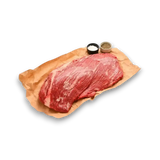
Skirt Steak: 500g to 750g (1.1 to 1.6 lbs) of beef skirt steak, trimmed of any excess silver skin or heavy connective tissue.
-
Olive Oil: 1 to 2 tablespoons, used to coat the steak surface and help seasonings adhere evenly.
-
Salt: 1 teaspoon of kosher salt or coarse sea salt, essential for drawing out flavour and seasoning the meat throughout.
-
Black Pepper: 1/2 teaspoon of freshly cracked black pepper for a mild spicy kick.
-
Seasoning (Optional): A pinch of garlic powder or smoked paprika to complement the natural beefy flavour profile.
Ingredients for the Chimichurri Sauce
The ingredients for chimichurri include flat-leaf parsley, garlic, extra virgin olive oil, red wine vinegar, oregano, chilli, salt and black pepper. Fresh herbs form the base of the chimichurri sauce, while garlic adds a sharp flavour, vinegar provides tangy acidity, and olive oil combines the ingredients into a spoonable sauce for serving with grilled skirt steak.
-
Flat-Leaf Parsley: 1 cup of finely chopped fresh parsley leaves, providing the main herbal base and vibrant green colour.
-
Garlic: 3 to 4 cloves, minced or finely grated, for a sharp, aromatic bite.
-
Olive Oil: 1/2 cup of extra virgin olive oil, serving as the rich liquid base that binds the sauce ingredients.
-
Red Wine Vinegar: 2 to 3 tablespoons, introducing necessary acidity to brighten the heavy herbs and cut through the richness of the beef.
-
Dried Oregano: 1 teaspoon, contributing earthy background notes to the herb blend.
-
Chilli: 1/2 teaspoon of red pepper flakes or finely diced fresh red chilli for a subtle kick.
-
Salt and Pepper: To taste, ensuring proper seasoning and balance across the acidity and oils.
How Do You Prepare Skirt Steak Before Cooking?
To prepare skirt steak before cooking, trim excess fat and tough silver skin, identify the grain direction, pat the steak dry, and season the surface with salt, black pepper and olive oil. These steps prepare the beef skirt steak for high-heat cooking while reducing surface moisture and keeping the grain direction easy to identify for slicing after the steak has rested.
Follow the steps below to prepare skirt steak before cooking:
-
Trim and portion the skirt steak: Place the skirt steak on a cutting board and use a small, sharp knife to remove the tough white silver skin, heavy surface fat and remaining connective tissue. Leave thin bands of fat attached to the beef, and cut the long strip into smaller sections if it is too large for the BBQ, grill or cooking surface.
-
Identify the grain direction: Look for the visible muscle fibres running along the skirt steak and note their direction before marinating. Identifying the grain at this stage makes it easier to slice the rested skirt steak against the grain later.
-
Marinate the skirt steak: Coat the steak with 1 to 2 tablespoons of olive oil, then season it with 1 teaspoon of salt and 1/2 teaspoon of black pepper. Add the optional garlic powder or smoked paprika if the recipe includes it. Marinate the skirt steak in the refrigerator for at least 30 minutes, and avoid leaving it in a strongly acidic marinade for more than 24 hours.
-
Dry and season the steak: Remove the skirt steak from the marinade and shake off the excess liquid. Pat both sides with a paper towel to reduce surface moisture, then season the beef with salt and black pepper.
-
Prepare the steak for cooking: If the recipe calls for removing the steak from the refrigerator before cooking, keep the time out of the fridge brief. Do not leave raw beef at room temperature for an extended time. Once prepared, keep the skirt steak ready for the high-heat cooking stage.
How Do You Cook Skirt Steak: Step-by-Step Guide?

You can cook skirt steak by preparing the cooking surface over high heat, placing the prepared steak on the hot surface, searing both sides, checking the internal temperature, removing the steak from the heat, letting it rest, and slicing it against the grain. Skirt steak is quick-cooking, so high heat helps develop a charred crust, while temperature control prevents overcooking.
6 simple steps you can follow to cook skirt steak are:
-
Prepare the cooking surface: Heat your BBQ grill grates or a heavy cast-iron skillet to 450°F to 500°F (230°C to 260°C), until hot enough for a strong sear. If needed, lightly coat the cooking surface with 1 tablespoon of high-smoke-point oil (such as canola or avocado oil) to help prevent the skirt steak from sticking.
-
Place the skirt steak over high heat: Lay the prepared skirt steak flat across the hot cooking surface. Keep each section in direct contact with the grates or pan so the beef can sear rapidly and develop a rich brown crust within seconds.
-
Sear both sides: Grill or sear the skirt steak on the first side for 2 to 4 minutes until a deep, charred crust forms, then flip and cook for another 2 to 3 minutes on the reverse side. The intense heat should create an exterior char without requiring a long cooking period.
-
Check the internal temperature: Insert a digital meat thermometer into the thickest part of the skirt steak to check for doneness. Target an internal temperature of 130°F to 135°F (54°C to 57°C) for a medium-rare finish, relying on this measurement rather than cooking time alone.
-
Remove and rest the steak: Take the skirt steak off the heat as soon as it reaches your target internal temperature, then transfer it to a clean wooden cutting board. Let the steak rest undisturbed for 5 to 10 minutes to allow the juices to redistribute.
-
Slice against the grain: Identify the grain direction noted during preparation and slice across the visible muscle fibres at a sharp angle. Cut the rested skirt steak into thin slices about 1/4-inch thick to maximise tenderness in each bite.
What Are the Alternative Ways to Cook Skirt Steak?
Alternative ways to cook skirt steak include grilling on a BBQ or pan-searing in a cast-iron skillet. A BBQ or grill exposes the skirt steak to direct heat on the grill grates, while a skillet transfers heat through the hot pan surface. Each method utilises intense, direct heat over a short cooking duration to lock in maximum flavour and juiciness in skirt steak.
Here are alternative ways to cook skirt steak:
-
BBQ Grilling: Preheat your outdoor barbecue grill to high heat, then grill the steak directly over the flames for 2 to 4 minutes per side to achieve a classic smoky flavour and distinct grill marks.
-
Cast-Iron Skillet Searing: Heat a heavy cast-iron pan over high heat until smoking hot, then cook the steak for 2 to 3 minutes per side to develop a deep, savoury crust while maintaining a juicy medium-rare centre.
How to Cook Skirt Steak on a BBQ?
To cook skirt steak on a BBQ, preheat the grill over high heat, place the steak over direct heat, sear both sides, check the internal temperature, and remove the steak to rest. The hot grill grates provide direct heat that sears the beef surface and creates charred grill marks during the short cooking period.
Follow the steps to cook skirt steak on BBQ:
-
Preheat the BBQ: Fire up your barbecue and adjust the burners or charcoal to create a high-heat zone reaching between 450°F and 500°F (230°C to 260°C), ensuring the grill grates are clean and lightly oiled.
-
Position the steak: Lay the seasoned skirt steak flat on the hot grill grates, directly over the flames, to maximise contact for a bold sear.
-
Sear and flip: Grill the skirt steak for 2 to 4 minutes on one side, then flip and sear the other side for a similar time. Cooking duration can vary with steak thickness, grill heat and preferred doneness.
-
Check the internal temperature: Insert a meat thermometer into the thickest part of the skirt steak. Use the internal temperature to determine when the steak has reached the preferred doneness rather than relying only on cooking time.
-
Remove and rest the steak: Transfer the grilled skirt steak from the BBQ to a cutting board once it reaches the required internal temperature. Rest the steak before slicing it against the grain.
How to Cook Skirt Steak in a Skillet?
To cook skirt steak in a skillet, heat a cast-iron pan over high heat, add oil, place the steak on the hot pan, sear both sides, check the internal temperature, and remove the steak to rest. The skillet transfers stovetop heat directly to the beef surface, helping the skirt steak develop a seared crust.
Below are the steps you can follow to cook skirt steak in a skillet:
-
Heat the skillet: Place a heavy cast-iron skillet on the stovetop over high heat and let it heat thoroughly before adding the steak.
-
Add the cooking oil: Add a small amount of high-smoke-point oil to the hot skillet, ensuring a light, even coat across the cooking surface.
-
Sear the skirt steak: Place the prepared skirt steak flat on the hot pan and sear for 2 to 4 minutes. Turn the steak and sear the other side for a similar period, adjusting the cooking time based on thickness and desired doneness.
-
Check the internal temperature: Insert a meat thermometer into the thickest section of the steak to measure doneness. Remove the skirt steak according to the required internal temperature rather than cooking time alone.
-
Remove and rest the steak: Transfer the seared skirt steak from the skillet to a cutting board and let it rest before slicing against the grain.
How Long Should You Cook Skirt Steak?
You should cook skirt steak for 2 to 5 minutes per side over high heat, or roughly 4 to 8 minutes in total, at an ideal temperature of 450°F to 500°F (230°C to 260°C), depending on its thickness, cooking method, heat level and desired doneness. The cooking time on each side increases as you move from rare towards medium doneness, so use the following times as a practical guide and check the internal temperature with a meat thermometer before removing the steak from the heat.
Here is how long you should cook skirt steak based on doneness:
-
Rare: 2 minutes per side
-
Medium-Rare: 3 minutes per side
-
Medium: 4 to 5 minutes per side
What Temperature Should Skirt Steak Be Cooked To?
You should cook skirt steak at an internal temperature of 49°C to 54°C (120°F to 130°F) for rare, through to 68°C to 74°C (155°F to 165°F) for well-done. Medium-rare falls between 54°C and 60°C (130°F and 140°F), while medium falls between 60°C and 66°C (140°F and 150°F). These ranges refer to final internal temperature, so remove the steak from the heat slightly before the preferred range to account for carryover cooking while it rests.
Rare Skirt Steak
For rare doneness, cook skirt steak to a final internal temperature of about 49°C to 54°C (120°F to 130°F). At this temperature, the centre remains red and retains more moisture, while the exterior develops a seared surface. Insert a meat thermometer into the thickest part of the steak and check that the probe reaches the centre before reading the internal temperature.
Medium-Rare Skirt Steak
For medium-rare doneness, cook skirt steak to a final internal temperature of about 54°C to 60°C (130°F to 140°F). Within this range, the steak develops a warm red centre while retaining a juicy and tender texture. Check the thickest part with a meat thermometer, positioning the probe in the centre to confirm the internal temperature.
Medium Skirt Steak
For medium doneness, cook skirt steak to a final internal temperature of about 60°C to 66°C (140°F to 150°F). At this temperature, the centre turns pink, and the muscle fibres firm up as the steak continues to cook. Insert a meat thermometer into the thickest part and measure the temperature at the centre to confirm the preferred doneness.
Well-Done Skirt Steak
For well-done doneness, cook skirt steak to a final internal temperature of about 68°C to 74°C (155°F to 165°F). Within this range, the centre becomes fully cooked with little to no pink, while longer exposure to heat increases moisture loss and results in a firmer texture. Check the thickest part of the steak with a meat thermometer, inserting the probe into the centre to confirm the final internal temperature.
What Are the Best Tips for Tender and Juicy Skirt Steak?
The best tips for tender and juicy skirt steak include using a meat thermometer, reducing surface moisture, cooking over high heat, avoiding overcooking, resting the steak, and slicing against the grain. Because skirt steak is a lean cut with a distinct muscle structure, these techniques help control doneness, develop a seared crust, limit moisture loss and shorten the muscle fibres in each slice.
7 best tips for tender and juicy skirt steak are:
-
Use a meat thermometer: Insert the probe into the thickest part of the skirt steak and measure the internal temperature at the centre. A meat thermometer provides a direct measurement of doneness and reduces the need to judge the steak by appearance alone.
-
Bring the steak out of the refrigerator before cooking: Remove the skirt steak from the refrigerator for a brief period before it reaches the cooking surface. Avoid leaving raw beef at room temperature for an extended period.
-
Pat the steak dry before grilling: Use a paper towel to remove excess surface moisture before placing the skirt steak on the grill. A drier steak surface supports faster browning and helps the high heat develop a seared crust.
-
Cook to temperature rather than time alone: Use cooking time as a guide, with internal temperature as the primary indicator of doneness. Steak thickness, starting temperature, cooking surface and heat level can change the number of minutes required.
-
Avoid overcooking the steak: Remove the skirt steak from the heat once it reaches the preferred internal temperature. Prolonged cooking increases moisture loss and can make the muscle fibres firmer, reducing juiciness and tenderness.
-
Rest the steak before slicing: Transfer the cooked skirt steak to a cutting board and let it rest. A short resting period allows the temperature to settle before the steak is sliced.
-
Always slice against the grain: Identify the direction of the visible muscle fibres and cut across them rather than along them. Cutting against the grain shortens the muscle fibres in each bite, making the skirt steak easier to chew.
How Do You Slice Skirt Steak Against the Grain?
To slice skirt steak against the grain, cut the rested steak into shorter sections about 8 to 10 cm (3 to 4 inches) long, rotate each section 90 degrees so the visible muscle fibres run perpendicular to your cutting direction, then cut thin slices across those fibres. Slicing against the grain shortens the long muscle fibres in each piece, making the skirt steak easier to chew and giving it a more tender texture.
Here is how you can slice skirt steak against the grain:
-
Find the grain: Look closely at the cooked skirt steak and identify the visible lines of muscle fibres running along the meat.
-
Cut the steak into sections: Divide the long strip of skirt steak crosswise into manageable sections about 8 to 10 cm (3 to 4 inches) long. Smaller sections make it easier to control the direction and thickness of each slice.
-
Rotate each section: Turn each piece so the muscle fibres run perpendicular to the direction of your knife. This position allows the blade to cut across the grain rather than along it.
-
Slice against the grain: Cut across the muscle fibres to create thin slices. Hold the knife at a slight angle if preferred to create wider, thinly sliced pieces with a tender texture.
What Do You Serve with Skirt Steak and Chimichurri Sauce?
The best side dishes to serve with skirt steak and chimichurri sauce include roasted potatoes, grilled vegetables, grilled corn, fresh salad and crusty bread. These accompaniments balance the beefy steak and fresh, herby chimichurri through contrasting textures, char, freshness and acidity.
Here are side dishes you can serve with skirt steak and chimichurri sauce:
-
Roasted potatoes: Their crisp exterior and fluffy interior texture provide a hearty base that pairs wonderfully with the bold flavours of the steak and chimichurri.
-
Grilled vegetables: Tossed onto the grill alongside your meat, these vegetables offer a wonderful smoky char and savoury depth that seamlessly complement the steak and sauce, creating a cohesive dish.
-
Grilled corn: It brings a natural sweetness and delightful pop of texture that balances out the savoury, garlic-forward notes of the dish without adding complicated preparation steps.
-
Fresh salad: Featuring crisp greens and vibrant vegetables, this lighter accompaniment introduces essential freshness and bright acidity that cuts straight through the richness of the steak.
-
Crusty bread: A rustic loaf serves as the ultimate accompaniment, perfect for soaking up every last bit of herbaceous chimichurri and savoury steak juices left on your plate.
What Are the Nutrition Facts for Skirt Steak with Chimichurri Sauce?

At approximately 333 to 491 kcal per serving, the calorie content reflects the combined contribution of the grilled beef and the olive oil-based chimichurri sauce. The skirt steak with chimichurri sauce provides energy from its protein and natural fat, while the extra virgin olive oil adds additional dietary fat. The final calorie value varies with the amount of steak and chimichurri included in each serving.
Calories
Each serving of skirt steak with chimichurri provides approximately 34 to 38 g of protein, with the skirt steak supplying most of it. As the primary protein source in skirt steak with chimichurri sauce, the beef provides most of the dish's protein. The final protein value varies with the amount of steak included in each serving.
Protein
Delivering a rich source of high-quality lean protein, skirt steak with chimichurri sauce provides 34-38 grams per serving. This dish supports muscle maintenance, cellular repair, and post-workout recovery. The dense muscle fibres of the skirt steak ensure that every portion packs a powerful protein punch, keeping you feeling full and satisfied throughout the day.
Total Fat and Saturated Fat
Total fat ranges from approximately 20 to 35 g per serving, including 6 to 7 g of saturated fat from a single serving of skirt steak with chimichurri sauce. The natural fat in the skirt steak contributes to these values, while the extra virgin olive oil in the chimichurri sauce adds further dietary fat. Together, these ingredients account for most of the fat in each serving.
Carbohydrates
With approximately 2 to 4 g of carbohydrates per serving, skirt steak with chimichurri sauce is relatively low in carbohydrates. Most of this amount comes from chimichurri ingredients such as flat-leaf parsley, garlic, oregano, and red wine vinegar, while the beef contributes little to the total carbohydrate content.
Sodium
A serving contains approximately 209-393 mg of sodium, primarily from the salt used to season the beef and chimichurri sauce. The final sodium content depends on the amount of seasoning added and the quantity of skirt steak with chimichurri sauce included in each serving.
How Do You Store and Reheat Leftover Skirt Steak?
Store leftover skirt steak in an airtight, food-safe container in the refrigerator at 5°C or colder and use it within 3 to 4 days. Refrigerate the steak promptly after the meal and keep the chimichurri sauce in a separate airtight container to preserve its fresh herbs and texture. When serving the leftovers, reheat only the amount of steak you plan to eat rather than repeatedly heating and cooling the same portion.
How Do You Reheat Skirt Steak Without Drying It Out?
To reheat skirt steak without drying it out, use gentle heat for only as long as needed, then serve it promptly once heated through. Avoid prolonged exposure to high heat because additional cooking can increase moisture loss and make the thin slices of skirt steak firmer.
Here is how you can reheat skirt steak without drying it out:
-
Use gentle heat: Place the steak in a skillet over low to medium heat or in a low oven. Gentle reheating gives you more control over the temperature and helps limit further cooking.
-
Heat only until ready to serve: Turn the steak as needed to reheat evenly, and avoid leaving it over the heat longer than necessary. For food safety, FSANZ advises reheating cold food quickly until it is steaming hot.
-
Cover and warm: Cover the skillet with a tight-fitting lid to trap steam, heating the steak gently for 3 to 5 minutes until it reaches a warm target temperature without overcooking the centre.
-
Serve immediately: Remove the steak from the heat once reheated and serve it with the refrigerated chimichurri sauce. Avoid repeatedly cooling and reheating the same leftovers.
How Do You Store Leftover Chimichurri Sauce?
Store leftover chimichurri sauce separately from the steak in a clean, airtight container in the refrigerator at 5°C or colder. Keeping the sauce covered and refrigerated protects the fresh herbs, garlic, oil and other ingredients from contamination and limits the time they spend in the temperature danger zone.
Because FSANZ provides general guidance to use perishable refrigerated leftovers within a few days, use the leftover chimichurri within that period rather than assigning it a longer unsupported storage time. Some separation between the herbs, vinegar and olive oil can occur during refrigeration, so stir the sauce before serving it again.