To prepare beef brisket, season a well-marbled cut with a balanced dry rub of smoked paprika, black pepper, garlic and brown sugar, add a braising liquid made from beef stock, beef broth and a splash of BBQ sauce, then cook it low and slow in the oven, slow cooker, smoker or pressure cooker until it becomes tender enough to slice or shred. The combination of these spices and liquids, along with controlled heat and moisture, breaks down connective tissue while preserving the beef’s natural juices.
Once cooked, the brisket is rested to allow the juices to redistribute before slicing across the grain for clean cuts or shredding into pulled beef. Flat cut brisket produces neat slices, point cut delivers a richer pulled texture, and whole packer brisket combines both, depending on the cooking method used. BBQ sauce is often added to the brisket when serving to enhance the smoky, savoury profile.
What Ingredients Do You Need for Beef Brisket?

Ingredients needed to make beef brisket include a well-balanced dry rub for seasoning and a braising liquid to keep the meat moist and flavorful during cooking. The dry rub helps develop a savoury crust on the beef brisket, while the braising liquid helps maintain tenderness as connective tissue breaks down during slow cooking. Before you cook, smoke, or braise the brisket, prepare both components to build rich flavour throughout the meat.
What Do You Need for the Beef Brisket Dry Rub?
Ingredients you need for the beef brisket dry rub are smoked paprika, coarse black pepper, kosher salt, garlic powder, onion powder, brown sugar, chilli powder, and cayenne pepper. Together, these seasonings create a balanced blend of smoky, savoury, sweet and mildly spicy flavours that develop a rich bark on the beef brisket.
Ingredients you need for the beef brisket dry rub are:
- Smoked Paprika: 3 tablespoons, delivers smoky flavour and rich colour.
- Coarse Black Pepper: 3 tablespoons, creates a bold savoury crust.
- Kosher Salt: 2 tablespoons, ensures even seasoning and helps retain moisture.
- Garlic Powder: 1 tablespoon, adds savoury depth throughout the rub.
- Onion Powder: 1 tablespoon, provides gentle sweetness and balance.
- Brown Sugar: 2 tablespoons, supports caramelisation and bark formation.
- Chilli Powder: 1 tablespoon, brings mild warmth to the seasoning mix.
- Cayenne Pepper: 1 teaspoon, finishes with a subtle heat kick.
What Do You Need for the Braising Liquid?
Ingredients you need for a beef brisket braising liquid include beef stock, beef broth, BBQ sauce, Worcestershire sauce, garlic, brown onion, black pepper, and water. As the brisket cooks, the liquid keeps the meat moist while infusing it with rich, savoury flavour, resulting in tender, juicy beef.
Ingredients you need for the braising liquid are:
- Beef stock: 2 cups, builds a rich savoury base.
- Beef broth: 1 cup, adds extra beef flavour.
- BBQ sauce: ½ cup, introduces smoky sweetness.
- Worcestershire sauce: 2 tablespoons, delivers savoury tang and complexity.
- Brown onion: 1 large, sliced, releases aromatic flavour during cooking.
- Garlic cloves: 4 cloves, crushed, enhance savoury richness.
- Black pepper: 1 teaspoon, provides gentle seasoning heat.
- Water: 1 cup, if required, maintains the liquid level during cooking.
What Is the Best Dry Rub for Beef Brisket?
The best dry rub for beef brisket is a classic Texas-style dry rub, made with kosher salt and coarse black pepper in a 50/50 ratio, smoked paprika, garlic, onion powder and brown sugar. This blend develops a deep, savoury bark while enhancing the natural beef flavour, and works well for oven, slow cooker, smoker or pressure-cooked brisket.
Other popular rub styles include Kansas City blends with sweeter notes, Memphis-inspired rubs with richer spices, and Southwestern rubs featuring chilli and cumin for gentle heat. Each adds a distinct flavour character, allowing flexibility depending on the cooking method and desired outcome.
Pre-made rubs are also widely available, including options from Misty Gully, The Rub Hub and Australian Meat Emporium. These range from all-purpose, smoky, pepper-forward or sweet blends, providing convenient alternatives for home cooks who want a balanced, flavourful brisket without making their own rub.
What Cut of Beef Brisket Works Best for This Recipe?
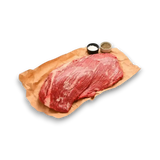
The best cuts of beef brisket are flat cut (first cut), point cut (second cut or deckle), and whole packer brisket, depending on how you plan to cook and serve it. Flat cut brisket is ideal for neat slices, point cut brisket is better suited to pulled beef because of its higher fat content, and a whole packer brisket offers the best of both cuts for smoking.
The three brisket cuts commonly used for this recipe are:
- Flat cut brisket: This cut comes from the lower chest of the cow and is a lean, uniform muscle with minimal marbling. It is best suited for oven-baked brisket and neat slices, as it cooks evenly and holds its shape well when carved.
- Point cut brisket: Taken from the thicker, fattier end of the brisket, the point cut contains more marbling and connective tissue. This makes it ideal for pulled beef brisket, as the fat keeps the meat moist and tender during long, slow cooking.
- Whole packer brisket: The whole packer includes both the flat and point cuts in one large piece. It is perfect for smoking because it offers the best of both textures, lean slices from the flat and juicy, pull-apart meat from the point, giving a versatile final result depending on how you plan to serve it.
How Do You Apply a Dry Rub to Beef Brisket?

You can apply a dry rub to beef brisket by trimming the meat, patting it dry, coating it evenly with the seasoning, and allowing it to rest before cooking. Preparing the brisket this way helps the seasoning adhere to the surface and encourages a well-developed bark during cooking.
Follow these five steps to apply a dry rub to beef brisket:
- Trim the fat cap to about 5-7 mm. Excess fat prevents the seasoning from contacting the meat.
- Pat the brisket dry with a paper towel, so that the dry surface helps the rub stick evenly.
- Coat the brisket generously with the dry rub, since even coverage produces consistent flavour.
- Press the seasoning onto the meat without rubbing aggressively to help the spices adhere without removing the coating.
- Rest the seasoned brisket for at least 30 minutes or refrigerate overnight, so the seasoning has time to settle before cooking.
How Do You Cook Beef Brisket in the Oven?

You cook beef brisket in the oven by seasoning the meat with a dry rub, placing it in a roasting pan with a braising liquid, covering it tightly, and cooking it at a low temperature until it becomes fork-tender. Oven-baked brisket is one of the easiest cooking methods because the enclosed roasting pan helps retain moisture while slowly breaking down the brisket's connective tissue.
Follow these steps to cook beef brisket in the oven:
- Preheat the oven to 160°C (140°C fan-forced). A low cooking temperature gradually breaks down the connective tissue, producing tender, juicy brisket.
- Prepare the roasting pan by spreading the sliced onion across the base and pouring in the braising liquid. This creates a flavourful cooking environment while preventing the brisket from sitting directly on the pan.
- Place the seasoned brisket fat side up so the fat cap naturally bastes the meat as it cooks.
- Cover the roasting pan tightly with a lid or two layers of aluminium foil to trap steam and retain moisture throughout cooking.
- Cook the brisket until fork-tender, checking the liquid level occasionally to ensure the meat remains moist during the long cooking time.
- Transfer the brisket to a cutting board once it is fork-tender, allowing it to stop cooking before resting.
- Rest the brisket for 15 to 30 minutes before slicing across the grain so the juices redistribute throughout the meat.
Tip: If using a fan-forced oven, reduce the cooking temperature by approximately 20°C, as circulating hot air cooks the brisket more efficiently than a conventional oven.
How Long Does Beef Brisket Take to Cook in the Oven?
Cooking a beef brisket in the oven takes 45 to 60 minutes per 500 g at a low temperature. The exact cooking time depends on the size of the brisket, its thickness and marbling, and how consistently your oven maintains its temperature.
The table below provides an approximate guide for oven cooking times.
|
Brisket Weight |
Approximate Cooking Time |
|
1.5 kg |
3 to 3½ hours |
|
2.5 kg |
4½ to 5 hours |
|
4 kg |
6½ to 8 hours |
The brisket is ready when a fork or skewer slides easily into the thickest part of the meat with very little resistance, indicating that the connective tissue has fully broken down.
Note: For best results, maintain a consistent low temperature rather than relying on exact cooking time. A steady oven temperature ensures gradual collagen breakdown, which is what creates tender, juicy brisket. If the temperature is too high, the meat tightens before it becomes tender, while a too-low temperature significantly extends cooking time without improving texture.
How Do You Make Easy Slow Cooker Beef Brisket Step by Step?

You can make slow cooker beef brisket by seasoning the meat, adding a flavourful braising liquid and cooking it on a low setting until it becomes tender enough to pull apart with a fork. This hands-off method allows the brisket to cook gently over several hours, producing juicy, flavourful beef with very little preparation.
Follow these steps to cook beef brisket in a slow cooker:
- Trim the brisket if needed, leaving a thin layer of the fat cap intact to help keep the meat moist during cooking.
- Pat the brisket dry with a paper towel before applying the dry rub, allowing the seasoning to adhere more evenly to the surface.
- Coat the brisket generously with the dry rub, pressing the seasoning onto all sides for consistent flavour throughout the meat.
- Arrange the sliced onion in the base of the slow cooker and pour in the braising liquid to create a flavourful cooking base.
- Place the brisket fat side up on top of the onions so the rendered fat naturally bastes the meat as it cooks.
- Cover and cook on LOW for 8 to 10 hours or HIGH for 4 to 5 hours. Cooking on the low setting produces the most tender, juicy brisket.
- Check the brisket for tenderness by inserting a fork into the thickest part of the meat. It is ready when the fork slides in with very little resistance.
- Transfer the brisket to a cutting board and rest it for 15 to 30 minutes before slicing or shredding, allowing the juices to redistribute throughout the meat.
Can You Cook Beef Brisket in a Crock Pot?
Yes, you can cook beef brisket in a Crock-Pot. A Crock-Pot is a brand of slow cooker, so both appliances use the same low-temperature cooking method to produce tender, juicy meat.
Follow these 6 steps to cook beef brisket in a Crock Pot:
- Choose a brisket that fits comfortably in the Crock-Pot without folding to ensure even cooking.
- Pat the brisket dry and apply your dry rub evenly on all sides.
- Place the brisket fat side up in the Crock-Pot on a bed of sliced onions or vegetables.
- Add enough braising liquid to reach about halfway up the brisket, avoiding full submersion unless a fully braised texture is desired.
- Cook on LOW for 8 to 10 hours or HIGH for 4 to 5 hours, checking tenderness during the final hour.
- Remove and rest the brisket before slicing or shredding to allow juices to redistribute.
Can You Cook Beef Brisket in a Pressure Cooker?
Yes, you can cook beef brisket in a pressure cooker. Pressure cooking significantly reduces the cooking time while still producing tender, flavourful brisket, making it a practical option when you need a faster alternative to oven cooking or a slow cooker.
Follow these steps to cook beef brisket in a pressure cooker:
- Pat the brisket dry and rub with your chosen dry rub to coat evenly.
- Place the brisket fat side up on the trivet or in the cooking basket to keep it elevated above the base.
- Add braising liquid, using roughly half the amount required for oven or slow cooker methods, as little moisture escapes during pressure cooking.
- Seal the lid and cook on high pressure for 70–90 minutes depending on desired tenderness.
- Allow the pressure to release naturally for 15–20 minutes before opening the lid.
- Transfer the brisket to a cutting board and rest for 10–15 minutes to let the juices redistribute.
- Optional: Brush with BBQ sauce and briefly place under a hot grill for 5–10 minutes to caramelise the surface for extra flavour.
How Do You Make Smoked Beef Brisket?

You make smoked beef brisket by seasoning a whole packer brisket with a dry rub, cooking it low and slow in a smoker, then resting it before slicing across the grain. This method develops a smoky bark on the outside while breaking down connective tissue inside the meat, resulting in a tender, juicy brisket with a deep savoury flavour. The fat cap helps protect the meat during long cooking, while wrapping the brisket at the right stage helps retain moisture and improve tenderness.
Follow these steps to make smoked beef brisket:
- Trim the fat cap to around 5–7 mm so the seasoning and smoke can penetrate the surface while still protecting the meat.
- Apply the dry rub evenly over all sides of the brisket, pressing it in so it adheres properly and forms a flavour base.
- Preheat the smoker to 110–120°C, maintaining a steady low temperature for even cooking over several hours.
- Place the brisket fat side toward the heat source so the fat layer shields the meat from direct heat and prevents drying.
- Smoke the brisket slowly until a dark bark forms and the internal temperature begins to plateau, indicating the collagen is breaking down.
- Wrap the brisket in butcher paper once the bark has set to retain moisture while still allowing smoke to circulate.
- Continue cooking until tender, checking for probe softness in the thickest part of the brisket.
- Rest the brisket for at least 30 minutes to 1 hour before slicing, allowing the juices to settle evenly through the meat.
How Long Does It Take to Smoke a Beef Brisket?
Smoked beef brisket takes 1 to 1.5 hours per 500 g, depending on the size of the cut, smoker temperature and level of fat marbling. Larger whole packer briskets may take significantly longer due to the thickness and combined flat and point sections. Cooking time varies because brisket is ready based on tenderness rather than strict timing. The meat is done when a probe or skewer slides into the thickest part with little resistance.
|
Brisket Weight |
Smoking Time |
|
3 kg |
6 to 9 hours |
|
5 kg |
10 to 15 hours |
|
7 kg |
14 to 21 hours |
Note: Once cooked, the brisket should be wrapped and held in a warm environment for at least 30 minutes to 2 hours before slicing. This resting and holding period stabilises the internal temperature and allows the juices to redistribute, improving tenderness and slice quality.
Do You Wrap Beef Brisket When Smoking It?
Yes, you should wrap beef brisket during smoking once a firm bark has formed and the internal temperature has started to stall. Wrapping helps preserve moisture and pushes the brisket through the stall phase without drying out. Butcher paper is commonly used because it allows the brisket to breathe while still protecting the bark. This keeps the outer crust intact while allowing the meat inside to continue tenderising. Foil can also be used, but it creates a softer bark and a slightly steamed texture.
How Do You Make Pulled Beef Brisket?
You make pulled beef brisket by cooking a well-marbled cut until it becomes fall-apart tender, resting it properly, then shredding it into strands using forks or meat claws. This style of brisket is typically made using the point cut because its higher fat content keeps the shredded meat moist and flavourful.
Pulled brisket works best when the meat is cooked slowly using a smoker, slow cooker, oven or pressure cooker. Once the internal structure has fully broken down, the beef separates easily into soft, juicy strands that absorb sauces well.
How Do You Shred Beef Brisket After Cooking?

You shred beef brisket by resting the meat, breaking it into sections, and pulling it apart along the grain using forks or shredding claws. Proper shredding ensures the brisket retains moisture and achieves a soft, pulled texture suitable for sandwiches, sliders or tacos.
Follow these steps to shred beef brisket after cooking:
- Rest the brisket for 15 to 30 minutes so the juices redistribute and the meat holds its moisture during shredding.
- Transfer the brisket to a clean cutting board to provide a stable surface for controlled shredding.
- Separate the brisket into manageable sections so the fibres are easier to pull apart evenly.
- Remove large pieces of excess fat to prevent the pulled beef from becoming overly greasy.
- Pull the meat apart using two forks or meat claws, working along the grain so the fibres separate cleanly into strands.
- Mix the shredded brisket with BBQ sauce if desired to enhance moisture and add a rich, smoky finish.
How Do You Slice and Rest Beef Brisket?
You slice and rest beef brisket by allowing the cooked meat to rest after cooking, identifying the grain direction, and cutting thin slices across the grain for maximum tenderness. Proper resting and slicing ensure the brisket stays juicy and delivers a soft, even texture rather than a chewy result. This step is essential whether the brisket is oven-baked, slow-cooked, smoked, or pressure-cooked.
Follow these steps to slice and serve beef brisket:
- Rest the brisket for 15 to 30 minutes so the juices redistribute evenly throughout the meat.
- Place the brisket on a stable cutting board to ensure clean and controlled slicing.
- Identify the grain direction by observing the alignment of the muscle fibres.
- Slice across the grain using a sharp carving knife, cutting into thin, even slices for tenderness.
- Arrange slices neatly on a serving plate and spoon over a small amount of cooking juices to maintain moisture.
How Long Should Beef Brisket Rest Before Slicing?
Beef brisket should rest for at least 15 to 30 minutes before slicing to allow the juices to redistribute and the fibres to relax. For larger cuts, especially whole packer brisket cooked in a smoker, resting can extend to 1 hour or longer when wrapped to retain heat. Proper resting improves texture by preventing moisture loss during slicing. It ensures the brisket remains juicy, tender and evenly flavoured from edge to centre.
What is the 3:2:1 rule for brisket in the oven?
The 3:2:1 rule for brisket in the oven is a three-stage method where the meat is cooked uncovered, then covered with moisture, and finally rested to stabilise texture. It helps the brisket develop a surface crust, retain moisture and finish with a tender, sliceable texture.
Although originally used for smoking, the method can be adapted for oven cooking by adjusting timing based on brisket size, oven temperature and fat content. The key indicator is tenderness rather than fixed cooking times, with the brisket ready when a fork or probe slides in easily.
What Can You Make with Leftover Beef Brisket?
You can make leftover beef brisket into quick meals such as sandwiches, hash, pies, fried rice and wraps. The rich, smoky flavour of cooked brisket works well in fast dishes because the meat is already tender and easily absorbs sauces and seasonings.
Common leftover beef brisket ideas include:
- Beef brisket sandwiches: Sliced brisket layered with BBQ sauce, pickles and fresh bread.
- Brisket hash: Diced brisket pan-fried with potatoes and onions until crispy.
- Brisket pies: Shredded beef mixed with gravy and vegetables in a savoury pastry filling.
- Beef brisket fried rice: Chopped brisket stir-fried with rice, vegetables and soy-based seasoning.
- Brisket wraps or tacos: Sliced or shredded brisket served with slaw and sauce in soft tortillas.
What BBQ Sauce Goes with Beef Brisket?
Beef brisket pairs best with BBQ sauces that balance smoky, sweet and tangy flavours, as these complement the rich, savoury profile of slow-cooked beef brisket. The right BBQ sauce enhances the natural flavour of the meat without masking the seasoning or the bark developed during cooking.
Common BBQ sauce styles for beef brisket include:
- Smoky BBQ sauce: Adds depth and complements smoked beef brisket.
- Sweet BBQ sauce: Balances savoury bark with mild caramelised flavour.
- Tangy vinegar-based sauce: Cuts through the richness of fatty brisket cuts.
- Spicy BBQ sauce: Adds heat to sliced or pulled brisket dishes.
Tip: A smoky BBQ sauce with mild sweetness works best for oven-baked and smoked beef brisket, as it complements the bark while enhancing the natural beef flavour.
How Do You Store Beef Brisket?
Beef brisket should be stored in an airtight container in the coldest part of your refrigerator at below 4°C, once it has cooled to room temperature. Proper storage helps maintain moisture, preserve flavour and prevent the meat from drying out after cooking.
For best results, slice or shred the brisket before storing and keep it covered with a small amount of cooking juices to maintain tenderness. Refrigerated beef brisket will stay fresh for up to 3 to 4 days when stored correctly in a sealed container.
Can You Freeze Cooked Beef Brisket?
Yes, you can freeze cooked beef brisket. It should be frozen at a temperature of -18° C and stored correctly in an airtight container or freezer-safe bag. Freezing extends the shelf life while preserving the flavour and tenderness of the meat.
Slice or shred the brisket before freezing and include a small amount of cooking juices to prevent it from drying out. Cooked beef brisket can be frozen for up to 2 to 3 months and should be thawed in the refrigerator before reheating.