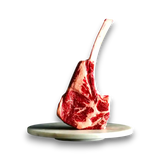
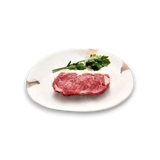
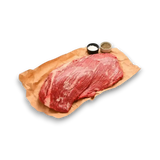
Beef curry is a rich, slow-cooked dish made by simmering beef in a fragrant, spice-infused sauce until it becomes tender and full of flavour. Chuck, brisket, gravy beef, and shin are the best cuts because their connective tissue breaks down during cooking, creating juicy meat and a thick, hearty curry.
The recipe starts by browning the beef, then cooking it with onions, garlic, ginger, curry powder, and spices such as cumin, coriander, turmeric, and garam masala. Tomatoes, beef stock, coconut milk, or yoghurt build a deeply flavoured sauce, while vegetables like potatoes, carrots, peas, or spinach can be added for extra texture and nutrition.
For the best results, simmer the curry gently for 1½ to 3 hours until the beef is fork-tender and the sauce has reduced. You can also customise the recipe to create Indian, Thai, Japanese, slow-cooker, or spicy coconut beef curry variations. Serve with steamed basmati rice, naan, roti, chapati, or pilaf for a satisfying homemade meal that's often richer, more tender, and better than takeaway.
What Ingredients Do You Need to Make Beef Curry?

The ingredients you need to make a beef curry are tender beef, fresh aromatics, a blend of warming spices, and a flavourful liquid base, such as beef stock or coconut milk. These simple ingredients work together to create a deeply aromatic curry with tender meat and a rich, well-balanced sauce. Using fresh ingredients and the right cut of beef will ensure your curry develops maximum flavour during cooking.
Here is the list of ingredients you need for beef curry:
-
Beef chuck steak: 1 kg, cut into 3-4 cm cubes
-
Vegetable oil: 2 tbsp
-
Brown onions, finely chopped: 2 large
-
Garlic cloves, minced: 4 cloves
-
Fresh ginger, grated: 1 tbsp
-
Curry powder: 2 tbsp
-
Ground coriander: 2 tsp
-
Ground cumin: 1 tsp
-
Garam masala: 1 tsp
-
Ground turmeric: 1 tsp
-
Chilli powder: ½ tsp (optional, adjust to taste)
-
Tomato paste: 2 tbsp
-
Canned diced tomatoes: 400 g (1 can)
-
Beef stock: 2 cups (or 400 ml coconut milk for a creamier curry)
-
Worcestershire sauce: 1 tbsp (optional)
-
Bay leaf: 1
-
Salt: to taste
-
Freshly ground black pepper: to taste
-
Plain Greek yoghurt: 2 tbsp (optional)
-
Fresh coriander, chopped
Additionals:
-
Potatoes, peeled and diced: 2 medium
-
Carrots, sliced: 1-2
-
Brown sugar: 1 tsp (optional)
-
Lemon juice: 1 tbsp (optional)
-
Fresh chilli: 1, finely sliced (optional)
How Do You Make Beef Curry Step by Step?

You can make beef curry by searing the beef until browned, cooking the onions, garlic, ginger, and spices to build a flavourful base, then adding the remaining ingredients and simmering everything gently until the beef is fork-tender. This traditional slow-cooking method allows the beef to become meltingly tender while developing a rich, aromatic curry sauce infused with the flavours of the spices, tomatoes, and stock.
Follow the step-by-step process to make the beef curry:
-
Prepare the Beef
Pat the beef completely dry with paper towels before cooking, as excess surface moisture prevents proper browning. Cut chuck roast, chuck steak, or beef shin into evenly sized 3–4 cm (1½-inch) cubes so every piece cooks at the same rate while remaining juicy during the long simmer. Season generously with kosher salt and freshly ground black pepper, then let the beef rest for at least 15 minutes. This allows the salt to penetrate the muscle fibres, enhancing flavour throughout the meat rather than only seasoning the finished sauce.
-
Sear the Beef
Heat a heavy-based Dutch oven or large pot over medium-high to high heat and add a high-smoke-point oil such as ghee, peanut oil, or vegetable oil. Sear the beef in small batches, leaving enough space between each piece so the meat browns instead of steaming. Cook until every side develops a deep golden-brown crust through the Maillard reaction, which creates the rich savoury flavours that define a great curry. Remove the beef and set it aside, leaving the caramelised browned bits (fond) in the pot to flavour the sauce.
-
Cook the Onions
Reduce the heat to medium and add the chopped onions with a small pinch of salt to help draw out their moisture. Cook them slowly for 10–15 minutes, stirring regularly, until they become soft and develop a rich golden-brown colour. As the onions caramelise, scrape the browned fond from the base of the pot so it dissolves into the onions. This process develops natural sweetness that balances the spices and forms the deep flavour foundation of the curry.
-
Add the Garlic, Ginger, and Spices
Add the minced garlic and freshly grated ginger to the onions and cook for about 60 seconds until fragrant. Reduce the heat slightly before stirring in the curry powder, ground coriander, cumin, turmeric, garam masala, chilli powder, and any other dry spices. Cook the spice mixture for 1–2 minutes while stirring continuously. Blooming the spices in hot oil releases their essential oils, intensifies their aroma, and produces a deeper, more complex curry than adding them directly to liquid.
-
Build the Sauce
Stir in the tomato paste and cook it for 1–2 minutes to remove its raw flavour and deepen its sweetness. Add the diced tomatoes, beef stock, Worcestershire sauce, bay leaf, and coconut milk if using. Use a wooden spoon to scrape every remaining browned bit from the bottom of the pot, incorporating the concentrated beef flavour directly into the sauce. Stir until well combined, then bring the curry base to a gentle simmer so the tomatoes, aromatics, and spices begin to meld together.
-
Return the Beef to the Pot
Return the seared beef to the pot together with every drop of the juices that collected while it rested. These juices contain concentrated flavour that enriches the curry. Stir gently until every piece is evenly coated and mostly submerged in the sauce. Bringing the beef back at this stage allows it to slowly absorb the aromatic spices while releasing collagen into the curry as it cooks.
-
Slow-Cook Until Tender
Bring the curry to a gentle boil, then immediately reduce the heat to its lowest setting and cover with a tight-fitting lid. Simmer gently for 1½–2½ hours, depending on the cut of beef, stirring occasionally to prevent sticking. During this slow-cooking stage, the beef should remain between 160°F and 180°F (71°C–82°C) long enough for the tough collagen to gradually break down into silky gelatin. This transformation produces fork-tender beef while naturally thickening and enriching the curry sauce.
-
Thicken and Finish the Curry
Remove the lid during the final 15–20 minutes of cooking if the sauce needs to reduce further. Allow the excess liquid to evaporate until the curry reaches a rich, glossy consistency that coats the back of a spoon. Stir in the garam masala just before serving to preserve its delicate aroma. If using Greek yoghurt, reduce the heat to low and stir it in gradually to prevent curdling. Finish with a squeeze of fresh lemon or lime juice to brighten the rich flavours and balance the spices.
-
Taste and Serve
Taste the curry before serving and adjust the seasoning with additional salt, black pepper, or a small pinch of sugar if the tomatoes taste overly acidic. Garnish generously with freshly chopped coriander (cilantro) and serve hot with steamed basmati rice, naan, roti, paratha, or your favourite curry accompaniments. Allowing the curry to rest for 10–15 minutes before serving also helps the flavours develop further and gives the sauce an even richer consistency.
What Is the Best Cut of Beef for Curry?
Chuck roast (or chuck steak) is the best cut for beef curry because it offers the ideal balance of lean meat, marbling, and connective tissue, producing tender, flavourful beef after slow cooking. Other excellent beef cut options include gravy beef (beef shin), oyster blade (blade steak), brisket, and short ribs, all of which become exceptionally tender when cooked low and slow. To help you choose the right cut for your recipe, the sections below explain why the cut matters, which cuts are best for slow-cooked curries, which cuts suit quicker cooking methods, and which cuts are best avoided.
Why Does the Cut of Beef Matter in a Curry?
The cut of beef matters in a curry because it determines how the meat responds to the long, slow, moist cooking that curries require. Beef cuts with higher amounts of marbling, collagen, and connective tissue gradually break down during simmering, producing tender, juicy meat while adding richness and body to the curry sauce. Leaner cuts contain less fat and connective tissue, so they are more likely to become dry, chewy, or tough when cooked for the same length of time. Choosing the right cut ensures the beef stays tender, absorbs the aromatic spices, and delivers the best flavour and texture in every bite.
Which Beef Cuts Are Best for a Slow-Cooked Curry?

The best beef cuts for a slow-cooked curry are chuck steak, gravy beef (beef shin), oyster blade, brisket, and short ribs because their marbling and connective tissue break down during slow cooking, producing tender, flavourful beef and a rich curry sauce. Each of these beef cuts has unique characteristics that make it well-suited to slow cooking.
Here is how they compare and why they're excellent choices for a rich, hearty beef curry.
1. Chuck Steak
Cut from the hard-working shoulder (chuck) of the cow, chuck steak is widely regarded as the best all-round cut for beef curry because it offers the ideal balance of lean meat, intramuscular fat, and collagen. Its multiple interconnected muscle groups allow it to withstand long, gentle simmering without drying out. As the curry cooks, the marbling slowly renders to keep the meat moist, while the collagen dissolves into gelatin, naturally enriching and thickening the sauce. The beef becomes fork-tender yet retains its chunky shape instead of breaking apart.
2. Gravy Beef (Beef Shin/Shank)
Gravy beef, also known as beef shin or shank, comes from the heavily exercised lower leg muscles, making it naturally rich in connective tissue and collagen. This cut requires a longer cooking time than chuck, but the results are exceptional. During slow simmering, the dense collagen gradually converts into gelatin, producing a rich, glossy, and silky curry sauce with outstanding body. The meat softens dramatically, developing an incredibly tender texture that can be cut effortlessly with a spoon while remaining deeply flavourful.
3. Oyster Blade (Blade Steak)
Oyster blade is taken from beneath the shoulder blade and is often considered one of the best-value cuts for slow-cooked curries. Its defining characteristic is the thick strip of connective tissue running through the centre of the steak. Although this seam stays firm during quick cooking methods, extended simmering completely melts it into soft gelatin. This process continuously bastes the surrounding meat from within, producing exceptionally juicy, succulent beef while adding extra richness and body to the curry gravy.
4. Brisket
Brisket is sourced from the lower breast and chest of the cow, an area made up of long muscle fibres, generous marbling, and a substantial fat cap. These characteristics allow the meat to absorb the curry's spices and aromatics while remaining moist throughout slow cooking. Unlike chuck, which generally stays in defined chunks, brisket gradually separates along its natural muscle fibres, creating tender strands of beef that give the curry a hearty, rustic, pulled-beef texture with deep, concentrated flavour.
5. Short Ribs
Short ribs are cut from the lower rib section and are among the richest and most luxurious choices for beef curry. They contain abundant marbling, thick connective tissue, and are often cooked on the bone, allowing the marrow and collagen to slowly release into the sauce as the curry simmers. This creates an intensely savoury, velvety gravy with exceptional depth of flavour. Meanwhile, the richly marbled meat becomes incredibly tender, fully absorbs the spices, and gently falls away from the bone when served.
Which cuts work for a Quick Beef Curry?
The best cuts for a quick beef curry are rump and sirloin, as they are naturally tender and cook quickly without requiring long, slow simmering. Unlike chuck or brisket, these leaner cuts do not require hours of simmering to become tender. For the best results, cook them for just a few minutes and add them to the curry sauce towards the end to avoid overcooking.
-
Rump
Rump steak offers a deep, beefy flavour and a firm yet tender texture, making it one of the most economical choices for a quick beef curry. Although it contains less marbling than premium steak cuts, it stays juicy when sliced thinly against the grain and cooked over high heat for only 2–4 minutes. Because rump has very little connective tissue, it reaches the ideal texture through quick cooking rather than long simmering. Adding it to the curry near the end preserves its tenderness while allowing it to absorb the aromatic spices.
-
Sirloin
Sirloin is naturally tender with moderate marbling, giving it an excellent balance of flavour and juiciness for fast-cooking curries. Its fine muscle fibres cook rapidly without becoming chewy, making it ideal for weeknight recipes that are ready in under 30 minutes. Sear the slices quickly until just medium-rare to medium, then finish them in the curry sauce for the final few minutes. This method allows the beef to absorb the curry flavours without losing its succulent texture or becoming overcooked.
Which Beef Cuts Should You Avoid?
The beef cuts that should be avoided for curry include eye fillet (tenderloin), scotch fillet (ribeye), sirloin, porterhouse (T-bone), rump steak, topside, silverside, and minute steaks. Lean roasting cuts such as topside and silverside tend to become dry and tough during long simmering, while premium steak cuts like eye fillet, scotch fillet, sirloin, and porterhouse are naturally tender and are better suited to quick, high-heat cooking. Using these cuts increases the cost of the curry without improving its flavour or texture, making collagen-rich slow-cooking cuts a far better choice.
4 common beef cuts that you should avoid are.
-
Eye fillet: Too lean and expensive for curry, it can become dry and lose its delicate texture during simmering.
-
Scotch fillet/ribeye: Better suited to grilling or pan-searing, as its rich marbling is wasted in a long-cooked curry.
-
T-bone or porterhouse: These premium steak cuts are not practical for curry because they cook unevenly and are better served as steaks.
-
Pre-cooked roast beef: Already-cooked beef can become stringy or dry when simmered again in a curry sauce.
What Are the Different Ways to Cook Beef Curry?
The different ways to cook beef curry include stovetop simmering, oven braising, slow cooker cooking, pressure cooking (Instant Pot), and multicooker cooking. Each method uses gentle, moist heat to tenderise the beef, but they differ in cooking time, convenience, flavour development, and the final texture of the meat and sauce. The best method depends on the cut of beef, the amount of time available, and your preferred cooking style. Traditional stovetop and oven braising develop the deepest flavour through slow simmering, while slow cookers offer hands-off convenience. Pressure cookers and multicookers significantly reduce cooking time while still breaking down collagen to produce tender beef and a rich, well-developed curry.
The best cooking method depends on the cut of beef you choose, the time you have available, and the texture you want to achieve. The different ways to cook beef curry are explained:
Stovetop (Slow Simmering)
Stovetop simmering is the traditional and most widely used method for cooking beef curry. It offers the greatest control over heat, seasoning, and sauce consistency, allowing flavours to develop gradually while collagen-rich cuts become fork-tender through gentle simmering.
Cooking Steps:
-
Sear the beef until well browned, then remove it from the pot.
-
Cook the onions until caramelised before adding the garlic, ginger, and spices.
-
Stir in the tomato paste, tomatoes, stock, and other sauce ingredients.
-
Return the beef and any resting juices to the pot.
-
Bring to a gentle simmer, reduce the heat to low, and partially cover with a lid.
-
Cook for 2–2½ hours, stirring occasionally and adding a little stock or water if the sauce reduces too quickly.
-
Remove the lid during the final 15–20 minutes if a thicker sauce is desired.
As the curry slowly simmers, the beef becomes tender, the collagen melts into gelatin, and the sauce develops a rich, concentrated flavour with a naturally thick consistency.
Oven Braising
Oven braising provides gentle, even heat that cooks the beef consistently with minimal attention. This method combines the flavour development of stovetop cooking with the convenience of hands-off roasting, making it ideal for larger batches and entertaining.
Cooking Steps:
-
Brown the beef and prepare the curry base on the stovetop.
-
Transfer the beef and sauce to a covered Dutch oven or oven-safe casserole dish.
-
Preheat the oven to 160°C (320°F).
-
Cook, covered, for 2–2½ hours until the beef is tender.
-
Remove the lid during the final 15–20 minutes if the sauce needs further reduction.
The enclosed cooking environment minimises moisture loss while allowing the beef to cook evenly, producing a rich curry with tender meat and a deeply developed sauce.
Pressure Cooker / Instant Pot
A pressure cooker or Instant Pot significantly reduces cooking time while still producing tender beef and a well-developed curry. The high-pressure environment rapidly breaks down collagen, making this the fastest method for preparing slow-cooked cuts.
Cooking Steps:
-
Use the Sauté function to brown the beef.
-
Cook the onions, garlic, ginger, tomato paste, and spices.
-
Add the tomatoes, stock, and remaining ingredients.
-
Return the beef to the pot and secure the lid.
-
Cook on High Pressure for 35–40 minutes.
-
Allow a 10–15 minute natural pressure release before opening.
-
If needed, switch back to Sauté and simmer uncovered for 5–10 minutes to thicken the sauce.
This method produces fork-tender beef in under an hour, making it an excellent option for weeknight meals without sacrificing flavour.
Slow Cooker / Crockpot
The slow cooker is the most convenient hands-off method for beef curry. Cooking at a consistently low temperature over several hours allows collagen-rich cuts to become exceptionally tender while the spices slowly infuse the sauce.
Cooking Steps:
-
Brown the beef before transferring it to the slow cooker.
-
Briefly cook the onions, garlic, ginger, tomato paste, and spices on the stovetop.
-
Add the curry base, beef stock, tomatoes, and beef to the slow cooker.
-
Cook on Low for 7–8 hours or High for 4–5 hours.
-
If necessary, remove the lid and cook on High for 20–30 minutes to reduce and thicken the sauce before serving.
The long, gentle cooking process develops a rich, full-bodied curry with minimal effort, making this method ideal for busy days, meal preparation, and batch cooking.
What Are the Best Beef Curry Variations to Try?
The best beef curry variations to try include Indian-style beef curry, Thai beef curry, Japanese beef curry, Beef Rendang, Beef Massaman, and mild family-friendly beef curry. Each variation uses different spice blends, cooking techniques, and ingredients to create its own distinctive flavour, texture, and level of heat.
The following recipes highlight some of the most popular beef curry variations and what makes each one unique.
Indian-style beef curry
Indian-style beef curry is known for its bold spices, tomato-based sauce, and deeply aromatic flavour. It typically combines spices such as cumin, coriander, turmeric, garam masala, and chilli with onions, garlic, and ginger that are slowly cooked to form a rich curry base. A key technique is bhunno (or bhuna), in which the onions, tomatoes, and spices are cooked together until the oil separates, creating a deeper, more concentrated flavour.
Regional versions vary across India, with Kerala-style beef curry often featuring coconut, curry leaves, and black pepper for a distinctive South Indian twist. This style develops its best flavour during a long, gentle simmer, while Thai-style beef curry offers a lighter, creamier alternative.
Thai beef curry
Thai beef curry stands out for its creamy coconut milk base and for using curry paste instead of individual ground spices. Massaman curry paste creates a mild, rich curry with warm spices, while red curry paste produces a bolder and spicier flavour. Fish sauce, palm sugar, and kaffir lime leaves balance the curry with savoury, sweet, and citrus notes.
Thai beef curry usually cooks faster than Indian-style curry because the flavour comes mainly from the curry paste rather than a long spice-cooking process. Finish with fresh Thai basil, fried shallots, or a squeeze of lime before serving. If you prefer a thicker, milder curry, Japanese beef curry is another popular variation to try.
Japanese beef curry
Japanese beef curry is the most distinct variation because it is mild, slightly sweet, thick, and packed with vegetables. It is made with Japanese curry roux, which creates a smooth, velvety sauce rather than relying on ground spices or curry paste. Potatoes, carrots, and onions are essential ingredients, while mirin, grated apple, or honey are often added to give the curry its signature sweetness.
Japanese beef curry is traditionally served over steamed rice and is less spicy than Indian or Thai versions. Its mild flavour makes it an excellent introduction to beef curry for children, families, or anyone new to this comforting dish. If you're looking for an even gentler option, a mild family-style beef curry is the perfect choice.
Mild beef curry (family-friendly)
A mild beef curry still relies on layering flavour, but the amount of chilli is reduced to keep the heat gentle. Keep the core spices, such as curry powder, cumin, coriander, turmeric, and garam masala, as they provide depth without making the curry overly spicy.
Replace hot chilli powder with sweet paprika, and add coconut milk or Greek yoghurt to create a creamier, milder sauce. You can also include extra vegetables, such as carrots or potatoes, to naturally balance the spices. This variation is ideal for families, children, or anyone who enjoys a rich beef curry with a gentle heat level.
Tips for Preparing the Best Beef Curry

The best beef curry comes from choosing collagen-rich cuts such as chuck roast, searing the beef until deeply browned, blooming the spices in oil, and simmering the curry gently for 1½–2½ hours until the meat becomes fork-tender. The following tips will help you maximise flavour, texture, and sauce consistency while avoiding common cooking mistakes.
-
Toast the spices before adding liquid.
Cook the ground spices for 30-60 seconds after adding them to the onions, garlic, and ginger. This releases their natural oils, creating a deeper, more aromatic curry before the liquid ingredients are added. -
Sear the beef well for depth of flavour.r
Brown the beef over medium-high heat before simmering it in the sauce. A good sear creates caramelised flavours that add richness and complexity to the finished curry. -
Season in layers as you go
Add a little salt when seasoning the beef, then taste and adjust the curry throughout the cooking process. Layering the seasoning creates a more balanced flavour than adding all the salt at the end. -
Rest the curry (or make it ahead) for deeper flavour
Beef curry often tastes even better the next day because the spices have more time to develop and blend. If possible, let the curry rest for 15-20 minutes before serving or refrigerate it overnight and reheat it the following day. -
Temper the yoghurt so it doesn't curdle.
If you're adding yoghurt, bring it to room temperature before using it. Stir a small amount of the hot curry into the yoghurt first, then mix it back into the pot over low heat for a smooth, creamy finish.
How do you thicken beef curry?
You can thicken beef curry by simmering it uncovered to reduce excess liquid, blending some of the softened onions or cooked vegetables into the sauce, or stirring in a thickening ingredient such as a cornstarch slurry, Greek yoghurt, or coconut cream. Reducing the sauce naturally produces the richest flavour, while added thickeners provide a quicker way to achieve a thicker, creamier consistency when needed.
-
Simmer uncovered: Remove the lid and let the curry simmer for 15-20 minutes so excess liquid evaporates naturally.
-
Add a cornflour slurry: Mix 1 tablespoon of cornflour with 2 tablespoons of cold water, then stir it into the curry and cook until thickened.
-
Mash some vegetables: Mash a few cooked potatoes or carrots into the sauce to thicken it naturally while adding extra body.
-
Stir in Greek yoghurt or coconut cream: These ingredients create a thicker, creamier texture while adding richness to the curry.
-
Reduce the heat to medium-low and continue cooking the curry gently, stirring occasionally, until the sauce reaches your preferred consistency.
A properly thickened curry should coat the beef evenly and have a rich, silky sauce that's perfect for serving with rice or naan.
What Do You Serve With Beef Curry?
Beef curry is best served with starchy sides that soak up the rich, flavourful sauce and fresh accompaniments that balance the spices. Popular pairings include fluffy basmati rice, warm naan or roti, cooling cucumber raita, and a crisp tomato-and-onion salad. Whether you prefer rice, bread, or fresh sides, these classic accompaniments make the perfect pairing for beef curry.
Here are some side dishes you can serve with beef curry:
1. Rice options
-
Basmati rice: The classic choice, with light, fluffy grains that soak up the curry sauce.
-
Jeera rice: Fragrant cumin-flavoured rice that adds extra warmth and complements Indian-style beef curry.
-
Coconut rice: A slightly sweet and creamy option that pairs especially well with Thai beef curry.
2. Breads
-
Naan: Soft and fluffy, perfect for scooping up the rich curry sauce.
-
Roti: A lighter wholemeal flatbread that complements both mild and spicy curries.
-
Paratha: A flaky, buttery flatbread that adds a rich and satisfying texture to the meal.
3. Sides and accompaniments
-
Raita: A cool yoghurt side with cucumber or mint that helps balance spicy flavours.
-
Pickle: Indian-style lime or mango pickles add a tangy, spicy contrast to the curry.
-
Fresh salad: A simple salad with cucumber, tomato, and onion adds freshness and crunch to every bite.
How Do You Reheat Beef Curry?
Reheat beef curry by warming it gently in a saucepan over medium-low heat with a small splash of water or beef stock to loosen the sauce and restore its consistency. Stir occasionally until the curry is heated all the way through, avoiding a rapid boil, as excessive heat can toughen the beef and cause sauces made with yoghurt or coconut milk to separate. The best ways to reheat beef curry include:
-
Stovetop: Reheat over medium-low heat for 8–12 minutes, stirring occasionally until the beef and sauce are heated evenly. Add a splash of beef stock or water if the curry has thickened too much during storage.
-
Microwave: Heat in 1-minute intervals, stirring between each interval to distribute the heat evenly and prevent hot spots.
-
Avoid High Heat: Do not bring the curry to a vigorous boil, especially if it contains Greek yoghurt or coconut milk, as excessive heat can cause the sauce to separate or split.
-
Storage: Store leftover beef curry in an airtight container in the refrigerator for 3–4 days or freeze it for up to 3 months.
-
Reheat Only What You Need: Warm only the portion you plan to serve, as repeated reheating can dry out the beef and reduce the quality and texture of the curry sauce.