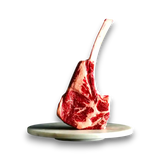
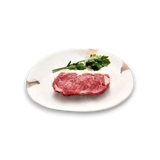
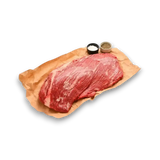
Thai beef salad is a fresh, flavour-packed Thai salad made with tender beef, crisp vegetables, aromatic herbs, and a balanced dressing of fish sauce, lime juice, sugar, and chilli. Rump steak, flank steak, and scotch fillet are the best beef cuts for the recipe because they remain tender when marinated, seared over high heat, rested, and sliced thinly against the grain.
The salad combines lettuce, cucumber, red onion, cherry tomatoes, coriander, mint, and roasted peanuts to create a savoury, sour, spicy, and fresh flavour profile. The dressing relies on a balance of fish sauce, lime juice, and sugar, although soy sauce, tamari, or coconut aminos can be used as alternatives when fish sauce is unavailable.
For the best results, marinate the beef for 30 minutes to 12 hours, cook it to medium-rare, and let it rest before slicing. Thai beef salad can also be adapted into popular variations such as Thai steak salad, warm Thai beef salad, Thai beef larb salad, Crying Tiger salad, and Thai basil beef salad. Serve it with jasmine rice, sticky rice, vermicelli noodles, or fresh Thai-inspired side dishes for a complete meal.
What Beef Cut Is Best for Thai Beef Salad?
The best beef cuts for Thai beef salad are rump steak, flank steak, or scotch fillet, as these cuts stay tender when seared, rested, and sliced thinly against the grain. Each cut provides enough beef flavour to stand up to the zingy Thai beef salad dressing while maintaining a tender texture that complements the fresh vegetables, herbs, and lime-juice-based seasoning.
Here are the best beef cuts for Thai beef salad:
- Rump Steak: Popular for Thai beef salad due to its balance of flavour, tenderness, and affordability. It develops a rich crust over high heat and remains tender when sliced thinly against the grain.
- Flank Steak: Known for its lean texture and robust beef flavour, flank steak absorbs marinades well and pairs naturally with Thai beef salad dressing. This beef cut should be cooked quickly over high heat and sliced very thinly to maintain tenderness.
- Scotch Fillet: Favoured for its marbling and tenderness, this cut creates a richer Thai beef salad. Its natural fat content helps keep the beef juicy and complements the fresh herbs, vegetables, and lime juice dressing.
What Ingredients Are Needed for Thai Beef Salad?

Ingredients needed for Thai beef salad are beef, fish sauce, lime juice, soy sauce, red onion, cherry tomatoes, lettuce leaves, fresh coriander, mint, roasted peanuts, red chilli, olive oil, salt, and pepper. Together, these ingredients create the signature balance of savoury, sour, spicy, and fresh flavours found in Thai beef salad.
Below is the list of ingredients needed for Thai beef salad:
-
The Beef
- Beef steak: 300-400g of rump steak, flank steak, or scotch fillet for the main protein component.
- Vegetable or canola oil: 1-2 tablespoons for coating the beef before cooking.
- Seasoning: Salt and freshly ground black pepper to season the steak before searing.
-
The Dressing
- Fish sauce: 2-3 tablespoons for the salty, savoury umami base.
- Lime juice: 2-3 tablespoons, freshly squeezed for the signature sour flavour.
- Soy sauce: 1 tablespoon to add extra savoury depth and complement the fish sauce.
- Sugar: 1 tbsp sugar (or palm sugar).
- Red chilli: 1-2 finely sliced chillies for a mildly spicy or decently spicy dressing.
- Coriander: 1 tbsp chopped fresh coriander (cilantro) stems.
-
The Salad & Garnish
- Lettuce leaves: 1 small head or 4-5 cups shredded, providing the fresh salad base.
- Cucumber: 1 continental or Lebanese cucumber, thinly sliced or cut into ribbons.
- Red onion: 1 small red onion, thinly sliced for sharpness and crunch.
- Cherry tomatoes: 1 cup, halved for freshness and natural sweetness.
- Fresh coriander and mint: ½ bunch of each, roughly chopped for authentic Thai flavour.
- Roasted peanuts: ¼ cup, roughly chopped for a crunchy finish.
How to Make Thai Beef Salad?

To make Thai beef salad, prepare the fresh salad base, whisk the dressing ingredients, season and sear the beef, rest and slice the steak, and then dress, garnish, and serve. Following this sequence helps create a balanced combination of savoury, sour, spicy, and fresh flavours that make Thai beef salad a favourite Thai salad.
Follow the 5 steps below to make Thai beef salad:
-
Prep the Fresh Salad Base
Wash and thoroughly dry your lettuce leaves, then arrange them as a bed on your serving platter. Toss in the thinly sliced red onion, halved cherry tomatoes, and a generous handful of torn fresh coriander and mint leaves. Set the platter aside in the fridge to keep it crisp. -
Whisk the Dressing Ingredients
In a small bowl or jar, combine the fish sauce, freshly squeezed lime juice, a splash of soy sauce, and your finely chopped red chilli. Whisk vigorously or shake until completely emulsified. Taste and adjust it should be a vibrant, balanced hit of salty, sour, and spicy.
-
Season and Sear the Beef
Pat your choice of beef (rump, flank, or scotch fillet) completely dry with paper towels. Drizzle with a little olive oil and season generously with salt and pepper. Heat a heavy skillet or grill pan over high heat until smoking. Sear the steak for 2 to 3 minutes per side (depending on thickness) to achieve a beautiful, deeply browned crust while keeping the inside a juicy medium-rare.
-
Rest and Slice the Steak
Transfer the seared beef to a cutting board and let it rest undisturbed. This crucial step allows the muscle fibres to relax and reabsorb the savoury juices. Once rested, use a sharp knife to slice the steak as thinly as possible, working strictly against the grain.
-
Dress, Garnish, and Serve
Arrange the warm, thinly sliced steak over your chilled salad base. Give your dressing a quick final stir and drizzle it evenly over the beef and greens. Scatter the roughly chopped roasted peanuts and extra herb leaves over the top for that final, crucial crunch. Serve immediately while the beef is warm and the greens are perfectly crisp.
Tip: Never skip resting the beef. Slicing a hot steak immediately causes all its juices to pool onto the cutting board, which will quickly make your crisp lettuce soggy and dilute your vibrant dressing.
What Is Thai Beef Salad Dressing Made Of?

Thai beef salad dressing is made from fish sauce, lime juice, sugar, and optional soy sauce, creating a balanced combination of salty, sour, sweet, and spicy flavours that complement the beef and fresh herbs. The dressing is simple to prepare yet plays a major role in defining the flavour profile of Thai beef salad.
The key dressing ingredients for Thai beef salad include:
- Fish Sauce: Provides the salty, savoury umami base that gives Thai beef salad its authentic flavour.
- Lime Juice: Adds fresh acidity that balances the beef's richness and enhances the salad's overall freshness.
- Sugar: Softens the lime juice's sharpness and balances the saltiness of the fish sauce.
- Soy Sauce (Optional): Contributes additional savoury depth and rounds out the dressing.
- Red Chilli: Adds heat and creates the mildly spicy or decently spicy flavour commonly associated with Thai beef salad.
- Garlic (Optional): Introduces a stronger aromatic flavour and additional complexity.
How Do You Balance Fish Sauce, Lime Juice, and Sugar in the Dressing?
You can balance fish sauce, lime juice, and sugar in the Thai beef salad dressing by matching saltiness, acidity, and sweetness so that no single flavour overwhelms the dressing. A common starting ratio is 2 parts fish sauce, 2 parts lime juice, and 1 to 1.5 parts sugar, which creates a balanced dressing with the characteristic savoury, sour, and slightly sweet flavour profile of Thai beef salad.
To adjust the dressing, use the following guidelines:
- Add More Lime Juice: If the dressing tastes too salty or heavy, increase the lime juice to add freshness and acidity.
- Add More Sugar: If the dressing tastes too sour or sharp, add a small amount of sugar to soften the acidity and create a better balance.
- Add More Fish Sauce: If the dressing lacks savoury depth or tastes flat, slightly increase the fish sauce to enhance the umami flavour.
- Taste After Every Adjustment: Small changes can significantly affect the flavour balance, so adjust gradually and taste before adding more ingredients.
- Aim for Balance, Not Dominance: The best Thai beef salad dressing allows the salty, sour, and sweet elements to complement one another without any single flavour overpowering the others.
Can You Make Thai Beef Salad Dressing Without Fish Sauce?
Yes, you can make Thai beef salad dressing without fish sauce by replacing its salty, umami-rich characteristics with alternatives such as soy sauce, tamari, coconut aminos, or a combination of soy sauce and a small amount of Worcestershire sauce. When using substitutes, continue to balance the dressing with lime juice and sugar to maintain the characteristic sweet, sour, and savoury flavour profile of Thai beef salad.
Here is a quick substitute ratio you can follow to make Thai beef salad dressing without fish sauce:
- 1 tbsp Fish Sauce = 1 tbsp Soy Sauce (or Tamari or Coconut Aminos) + ¼ tsp salt
How Do You Marinate and Cook the Beef for Thai Beef Salad?
You can marinate and cook the beef for Thai beef salad by coating the steak in a mixture of fish sauce, soy sauce, lime juice, sugar, and garlic, then searing it over high heat until medium-rare, letting it rest, and slicing it thinly against the grain before serving. This process helps the beef develop a rich flavour while remaining tender and juicy.
To marinade:
- Ingredients: Combine 2 tbsp fish sauce, 1 tbsp soy sauce, 1 tbsp lime juice, 1 tsp brown or palm sugar, and 2 minced garlic cloves.
- The Method: Pour the marinade over your cut of beef (like ribeye, flank, or sirloin) and let it rest for at least 20 minutes (or up to 12 hours in the fridge).
To cook the beef for Thai beef salad:
- Prep: Remove the beef from the marinade and pat it completely dry with paper towels. Lightly oil and season the steak with salt and pepper.
- The Cook: Heat a heavy cast-iron skillet or grill pan over high heat until it is smoking. Sear the steak for 3-4 minutes per side for a perfect medium-rare.
- The Rest: Transfer the beef to a cutting board, loosely cover it with foil, and let it rest for at least 10 minutes to lock in the juices. Slice it thinly against the grain so the beef is melt-in-your-mouth tender.
How Long Should You Marinate the Beef?
You should marinate the beef for 30 minutes to 12 hours in a mixture of fish sauce, soy sauce, lime juice, sugar, and garlic to allow the flavours to penetrate the meat's surface while maintaining its natural texture. The ideal marinating time for Thai beef salad is 1 to 2 hours, which provides a balanced flavour without overpowering the beef.
Here is a general guide you can follow to marinate the beef:
- 30 minutes: Suitable when you are short on time and want a light marinade flavour.
- 1-2 hours: Provides the best balance of flavour and tenderness for most Thai beef salad recipes.
- 3-4 hours: Allows the beef to absorb more marinade while maintaining good texture.
- Up to 12 hours: Suitable when refrigerated overnight, particularly for larger cuts of beef.
What Are the Best Variations of Thai Beef Salad?

The best variations of Thai beef salad are Thai steak salad, warm Thai beef salad, Thai beef larb salad, crying tiger salad, and Thai basil beef salad. Each variation introduces a unique combination of beef preparation, herbs, serving style, or regional Thai influences while preserving the savoury, sour, spicy, and fresh flavours that define Thai beef salad.
Here are the best variations of Thai beef salad:
- Thai Steak Salad: Often considered a westernised interpretation of Thai beef salad, this variation features a premium steak such as ribeye or New York strip grilled to medium rare, sliced into thick strips, and arranged over fresh salad greens before being finished with a lime-chilli dressing.
- Warm Thai Beef Salad: A variation where the freshly seared beef is tossed immediately with the herbs, vegetables, and dressing while still steaming hot. The residual heat slightly wilts the red onions and herbs, releasing their deep aromatics and creating a comforting, integrated dish perfect for cooler weather.
- Thai Beef Larb Salad: Inspired by the classic Isan dish larb, this variation replaces sliced steak with minced or finely chopped beef. The beef is seasoned with lime juice, fish sauce, fresh mint, and toasted rice powder for added texture and a distinctive nutty flavour.
- Crying Tiger Salad: Named after a famous Isan grilled beef dish, this version pairs a heavily marinated, fatty cut of brisket or flank steak with a fiery, tamarind-based dipping sauce (Nam Jim Jaew). The beef is sliced and served alongside a simple herb salad rather than being completely tossed in the dressing.
- Thai Basil Beef Salad: An aromatic twist that heavily features fresh holy basil or sweet Thai basil leaves as a primary green rather than a simple garnish. The anise-like flavour of the basil pairs beautifully with a dressing amplified by extra garlic and crushed white pepper.
What to Serve With Thai Beef Salad?
Serve Thai beef salad with jasmine rice, sticky rice, vermicelli noodles, Thai cucumber salad, fresh spring rolls, grilled vegetables, or steamed Asian greens. These accompaniments help balance the salad's spicy, tangy, and savoury flavours while adding texture and variety to the meal.
Here are some of the best foods to serve with Thai beef salad:
- Jasmine Rice: A simple side that absorbs the dressing and balances the spicy and tangy flavours of the salad.
- Sticky Rice: A traditional Thai accompaniment that provides a soft, chewy texture and pairs particularly well with grilled beef dishes.
- Vermicelli Noodles: Light rice noodles that add substance to the meal without competing with the flavours of the beef salad.
- Thai Cucumber Salad: A refreshing side dish that adds extra crunch and helps cool the palate between bites.
- Fresh Spring Rolls: Filled with vegetables and herbs, they complement the fresh ingredients used in Thai beef salad.
- Grilled Vegetables: Lightly charred vegetables such as zucchini, capsicum, or eggplant add texture while preserving the meal's fresh character.
- Steamed Asian Greens: Vegetables such as bok choy or gai lan make a simple, nutritious side that pairs well with the bold flavours of Thai beef salad.
Is Wagyu or Angus Better for Thai Beef Salad?
Angus is better than Wagyu for Thai beef salad because it provides a balance of beef flavour, tenderness, and affordability while allowing the dressing, fresh herbs, and vegetables to remain the focus of the dish. Its moderate marbling helps keep the beef juicy without overwhelming the savoury, sour, and spicy flavours that define Thai beef salad.
Wagyu, by comparison, contains significantly more marbling, creating a richer, more buttery texture that can compete with the salad's fresh, tangy characteristics. While Wagyu can be used to create a more premium variation, Angus is the preferred choice for traditional Thai beef salad because it delivers a better balance of flavour, texture, and value.