Grass-fed beef is raised on open pasture and finished on grass rather than grain, producing a leaner cut with a cleaner, richer beef flavour and a deeper savoury finish compared to grain-fed beef. At Peter Augustus, the Diamantina grass-fed beef range is raised on open Queensland pastures and finished naturally with no added hormones. This article covers what pasture-raised production actually does to the beef, how it affects the way it cooks, and which cuts to start with if you want to understand what quality grass-fed beef in Australia genuinely tastes like.
What Grass-Fed Beef Actually Means
Grass-fed cattle spend their lives on open pasture, eating a naturally varied diet of grasses, legumes, and seasonal forage. The animal grows at a slower pace than grain-finished cattle and builds up less fat through the muscle as a result. That difference is what separates grass-fed beef from grain-finished beef at every level, from the colour of the fat to the way the steak behaves under heat.
In Australia, grass-fed programs vary significantly between producers. What does not vary is what ends up on the plate: beef that is leaner, firmer, and tastes noticeably different from grain-finished beef. The Diamantina grass-fed range at Peter Augustus is single-source, raised by Stanbroke on Queensland pastures. When a producer owns and controls every stage from paddock to processing, the quality you receive is consistent in a way that multi-supplier sourcing cannot replicate.
- More fat through the muscle, richer marbling
- Milder, buttery, fat-carried flavour
- Wider cook margin, more forgiving
- 100 to 150+ days grain finishing typical
- Best for rich, indulgent eating occasions
- Less fat through the muscle, leaner cut
- Cleaner, richer, naturally earthy flavour
- Cooks faster, needs lower temperature
- Higher omega-3 than grain-fed beef
- Best for everyday cooking, lighter meals
How Pasture-Raised Production Affects Flavour
The flavour of grass-fed beef comes directly from what the animal ate. Pasture-raised cattle consume a naturally varied diet of grasses and forage that changes across seasons. That variety carries through into the meat as a cleaner, richer beef flavour with a slightly earthy quality and a deeper savoury finish. Where grain-finished beef is milder and buttery, grass-fed tastes more natural. The fat does not drive the flavour. The beef itself does.
This is not a subtle difference that requires experience to notice. Most people taste it immediately. Grass-fed beef tastes more like beef. For those who have found supermarket beef bland or forgettable, this is where that changes. For those who prefer the milder, butter-soft quality of grain-finished beef, grain-fed remains the right choice. Both are available at Peter Augustus.
Why Grass-Fed Beef Cooks Differently and What to Do About It
This is where most people run into trouble with grass-fed beef the first time. Because it has less fat running through the muscle than grain-fed beef, it cooks faster and dries out more quickly if you are not paying attention. The margin between perfectly cooked and overdone is narrower than people expect.
Grass-fed beef carries less fat through the muscle and more around the outside edge. That means it heats up and dries out faster than a well-marbled grain-fed cut.
Grass-fed beef naturally contains higher levels of omega-3 fatty acids compared to grain-fed beef, and the fat renders and colours differently in the pan due to its different composition.
Target 52 to 54 degrees Celsius at the centre for medium-rare. The margin for error is real. Use a meat thermometer, not instinct.
Grass-fed beef has a cleaner, richer flavour with a slightly earthy, savoury finish. It does not need heavy marbling to deliver a satisfying result. The beef flavour itself is the point.
How to Cook Grass-Fed Beef Correctly
Grass-fed beef has less fat running through the muscle than grain-fed beef. That changes how it cooks. It gets to done faster, and there is less room for error. Follow these five steps and you will get it right every time.
Cast iron pan or hot grill. You need surface temperature high enough to build a crust fast. A cold pan is the first mistake.
Short hard sear on each side, then off the heat earlier than instinct tells you. Target 52 to 54 degrees Celsius at the centre for medium-rare. Use a thermometer.
A knob of butter, a crushed garlic clove, and a sprig of thyme in the last minute of pan cooking. Because grass-fed beef has less natural fat than grain-fed, this adds richness without masking the flavour.
Minimum five minutes before cutting. Muscle fibres relax and retain moisture. Skip this and the juice ends up on the board, not in the meat.
Cut against the muscle fibre direction. Season with flaked salt at the table. Grass-fed beef has enough natural flavour that it does not need a heavy sauce to carry it.
Pan or Grill. The Rib Fillet.
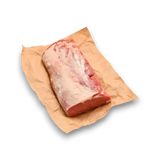
For steaks, the Diamantina Grass-Fed Rib Fillet is the clearest starting point in the range. It has enough natural fat to give a full, satisfying result while delivering the cleaner, richer flavour that makes quality grass-fed beef worth buying. Pan-sear on high heat, finish with butter, rest for five minutes. That is the standard.
Lean and Clean. The Eye Fillet.
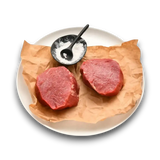
For the most forgiving option in the grass-fed range, the Grass-Fed Eye Fillet Steak is the entry point for those new to grass-fed cooking. Naturally lean, minimal technique required, and it delivers the fuller, more natural beef flavour that grass-fed is known for without the complexity of a larger cut.
A Note on Colour
Like all Peter Augustus beef, the Diamantina grass-fed range is vacuum sealed for freshness. In the packaging, the meat may appear darker or slightly purplish. This is normal and is caused by reduced oxygen exposure during transport and storage. Once the packaging is opened, rest the meat for 10 to 20 minutes before cooking. Exposure to air triggers blooming, where the natural myoglobin in the beef reacts with oxygen and the colour returns to a rich, deep red.
If the use-by date is within range and the vacuum seal is intact on arrival, colour variation is not a quality concern. The meat is fresh. Bloom occurs within 10 to 20 minutes of opening the packaging. If you have any concerns about your order, contact Peter Augustus directly.
Frequently Asked Questions
What does grass-fed beef taste like compared to grain-fed?
Grass-fed beef has a cleaner, richer flavour with a slightly earthy quality and a deeper savoury finish. Grain-fed beef tends to be milder and more buttery because of the higher fat content built up during grain finishing. Grass-fed tastes more natural. It is a fuller, more pronounced beef flavour. If you have ever found supermarket beef a little bland, this is the difference you were looking for.
Is grass-fed beef healthier than grain-fed?
Grass-fed beef is generally leaner and naturally contains higher levels of omega-3 fatty acids compared to grain-fed beef. The Diamantina grass-fed range is also produced with no added hormones. Whether that makes a meaningful difference to your health depends on your overall diet, but for those who want to know exactly what went into their beef and how it was raised, grass-fed is the more straightforward answer.
Why does grass-fed beef cook differently from grain-fed?
Grass-fed beef has less fat running through the muscle compared to grain-fed beef, which means it heats up faster and has less room for error. If you cook it the same way as a heavily marbled grain-fed steak, it will likely come out dry. The fix is straightforward: use a meat thermometer, pull it off the heat a little earlier than you normally would, and rest it for at least five minutes before cutting.
Which grass-fed cut should I start with?
The Diamantina Grass-Fed Rib Fillet is the clearest starting point. It has enough natural fat to give a satisfying, full result while delivering the richer, more natural beef flavour that grass-fed is known for. For a leaner, more straightforward cook, the Grass-Fed Eye Fillet Steak is the easiest option in the range to get right.
Can I order grass-fed beef online with delivery across Australia?
Yes. The full Diamantina grass-fed range is available online at Peter Augustus, delivered chilled and vacuum sealed across Queensland, New South Wales, Victoria, and the ACT. Every order is packed in a food-safe insulated box with ice packs to maintain safe temperatures throughout transit. Check the product pages for current availability and delivery lead times to your area.
Raised on open Queensland pastures. No added hormones. Single-source Stanbroke beef. Delivered chilled and vacuum sealed across QLD, NSW, VIC, and ACT.
Shop Grass-Fed Beef